Have you noticed that hangovers feel harder to manage as you get older? A night of drinking that once caused a mild headache may now leave you tired, thirsty, and uncomfortable the next morning. You may wonder why hangovers get worse with age.
The answer is linked to several changes in your body. As you grow older, your body composition, sleep patterns, liver function, and ability to manage dehydration can change.
Moreover, alcohol may affect your energy, digestion, and sleep more than it did when you were younger.
In this blog, we explain why hangovers can become more difficult with age. We also look at ways to support recovery, including hydration, healthy habits, and the ivital Hangover Drip.
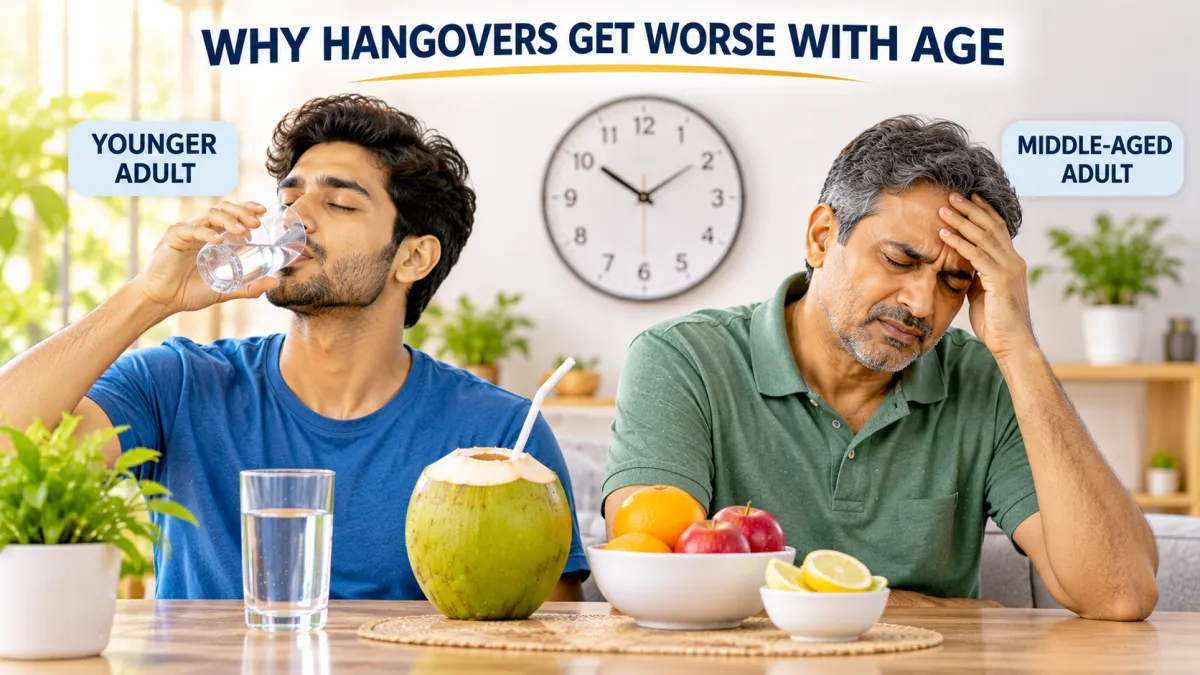
Why Hangovers Get Worse With Age?
Age does not affect everyone in the same way. However, many people notice that alcohol becomes harder to tolerate over time.
There are several possible reasons.
Your Body Has Less Water
As you get older, your body composition can change. You may have less lean muscle and a higher percentage of body fat.
Muscle contains more water than fat. Therefore, some older adults have less total body water than younger adults.
As a result, the same amount of alcohol may produce a higher blood alcohol concentration in some people.
Additionally, alcohol increases urination. This can make dehydration and thirst more noticeable.
Your Liver May Process Alcohol Differently
Your liver breaks down most of the alcohol you drink.
First, it converts alcohol into acetaldehyde. Next, it changes acetaldehyde into acetate, which your body can process further.
However, liver size, blood flow, and metabolic function may change with age. These changes can affect how your body handles alcohol.
Consequently, you may find that drinking affects you differently than it did years ago.
However, age alone does not mean your liver is unhealthy. Liver health also depends on your medical history, lifestyle, and drinking habits.
Your Sleep Becomes More Sensitive
Alcohol may make you feel sleepy at first. However, it can reduce sleep quality.
It can disturb your normal sleep cycle and increase night-time waking.
Furthermore, sleep patterns often change with age. Older adults may find it harder to stay asleep or get enough deep sleep.
When these effects happen together, you may wake up feeling more tired than usual.
Dehydration Can Feel Worse as You Get Older
Dehydration is one of the common factors that can contribute to hangover discomfort.
Alcohol reduces the effect of vasopressin, a hormone that helps your kidneys control water loss. Therefore, you may urinate more after drinking.
At the same time, your sense of thirst may become less reliable as you age.
As a result, you may not notice that you need fluids until you already feel thirsty.
Common signs of dehydration include:
- Dry mouth and increased thirst.
- Headaches and dizziness.
- Dark-coloured urine.
- Tiredness and weakness.
- Feeling light-headed when standing.
Therefore, drinking water regularly can help maintain hydration.
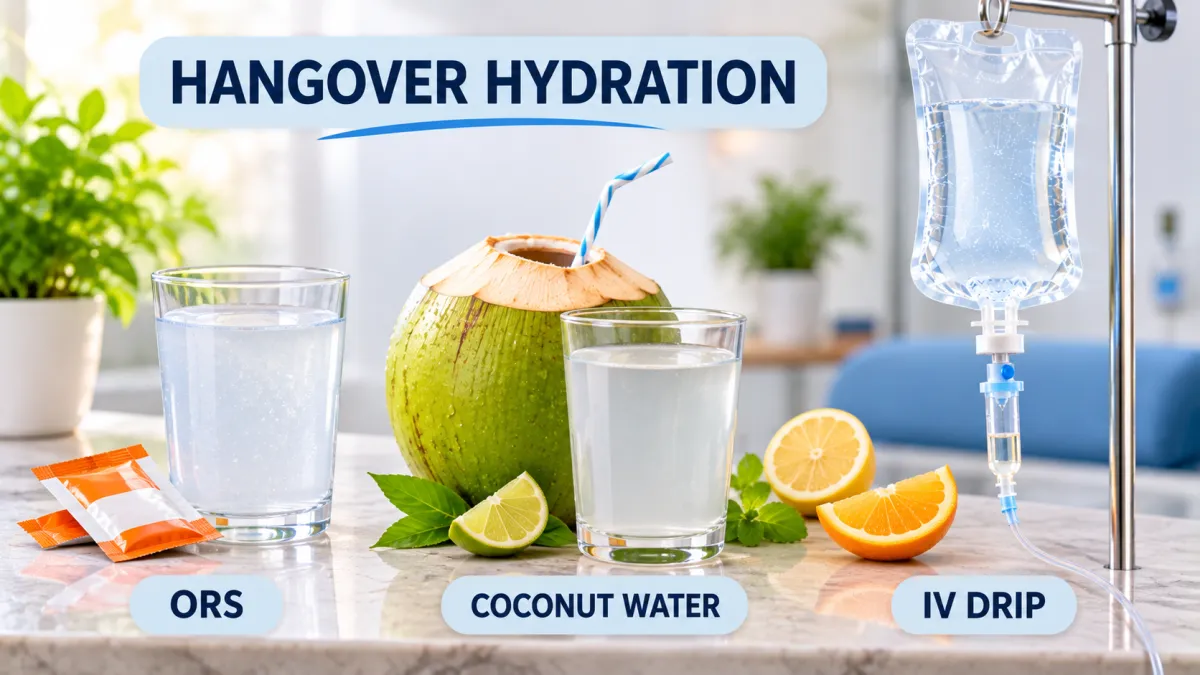
If you have lost fluids through vomiting, an oral rehydration solution (ORS) may help replace water and electrolytes.
However, severe dehydration needs medical assessment.
Your Body Composition Changes With Age
Another reason hangovers may feel different is a change in body composition.
As people age, muscle mass may decrease. This process is known as sarcopenia.
At the same time, body fat may increase. Since alcohol distributes mainly through body water, changes in body composition can affect blood alcohol levels.
For example, two people who drink the same amount of alcohol may experience different effects.
Similarly, the same person may respond differently to alcohol at 25 and 55.
Therefore, drinking the same amount you used to tolerate may no longer feel comfortable.
Medicines and Health Conditions Can Increase Alcohol Sensitivity
As people get older, they may take more medicines or manage long-term health conditions.
Some medicines interact with alcohol. Others can increase dizziness, sleepiness or stomach irritation.
For example:
- Sleeping tablets may increase drowsiness.
- Some anxiety medicines can increase sedation.
- Certain painkillers may increase stomach or liver risks.
- Some blood pressure medicines may worsen dizziness.
- Diabetes medicines may increase the risk of blood sugar problems.
Moreover, health conditions affecting the liver, kidneys, heart, or stomach can change how your body responds to alcohol.
Therefore, check with your doctor or pharmacist before drinking if you take regular medicines.
Never stop a prescribed medicine just to drink alcohol.
Why Does Recovery Take Longer as You Get Older?
A hangover is not caused by dehydration alone.
Alcohol affects several systems in your body. These include your digestive system, immune response, sleep cycle, and nervous system.
As a result, you may experience several symptoms at the same time.
For example, you may have a headache, nausea, and poor sleep. In addition, you may feel weak or struggle to concentrate.
Furthermore, your daily routine may make recovery harder. Work, family responsibilities, and poor sleep can leave you with less time to rest.
However, there is no fixed age when hangovers become worse. Some people notice changes in their thirties, while others experience them much later.
How to Recover From a Hangover as You Get Older
Although there is no instant cure, simple habits can make you more comfortable.
Drink Enough Water
First, start drinking water in small amounts. If you feel nauseous, take frequent small sips.
Additionally, ORS may help if you have lost fluids through vomiting or diarrhoea.
Eat a Light Meal
Next, choose food that is easy to digest.
For example, try:
- Bananas.
- Toast.
- Rice or soft khichdi.
- Vegetable soup.
- Oatmeal.
These foods can provide energy while being gentle on your stomach.
Get Enough Rest
Alcohol can disturb sleep. Therefore, give your body enough time to recover.
Avoid strenuous exercise if you feel dizzy, weak, or dehydrated.
Avoid More Alcohol
Some people drink more alcohol to reduce hangover symptoms. However, this does not cure the problem.
Instead, it may delay recovery and increase health risks.
Be Careful With Painkillers
Do not take medicines without considering your alcohol intake.
Ask a healthcare professional which medicine is safe for you.
Can the ivital Hangover Drip Help as You Get Older?
As people get older, they may become more interested in treatments that support hydration and nutrient intake.
At ivital.fit, the Hangover Drip is designed for people who feel tired, dehydrated, or run down after drinking alcohol.
The treatment contains selected nutrients, including:
Vitamin C: An antioxidant that supports normal immune function and helps protect cells from oxidative stress.
Thiamine (Vitamin B1): Helps your body convert food into energy. Long-term heavy alcohol use can increase the risk of thiamine deficiency.
Glutathione: An antioxidant naturally produced by your body. It helps protect cells against oxidative damage.
How Does the ivital Hangover Drip Work?
The IV drip delivers fluids and selected nutrients directly into a vein.
The process involves four steps:
Step 1: Consultation
First, a healthcare professional asks about your symptoms, alcohol intake, medical history, and medications.
Step 2: Health assessment
Next, the clinician checks whether IV treatment is appropriate. This is especially important for older adults who may have existing health conditions.
Step 3: IV administration
If suitable, the drip is administered by a qualified professional under appropriate supervision.
Step 4: Monitoring
Finally, the healthcare professional monitors you during the session.
The treatment may support fluid and nutrient intake when clinically appropriate.
ivital Hangover Drip Price
The listed ivital Hangover Drip price is ₹4,400 per session.
|
Treatment detail |
Information |
|
Drip |
Hangover Drip |
|
Price |
₹4,400 |
|
Key ingredients |
Vitamin C, Thiamine and Glutathione |
|
Session duration |
Approximately 30–45 minutes |
|
Centre |
Jayanagar, Bengaluru |
|
Service |
Centre visit or home visit |
|
Consultation |
Free initial consultation |
Prices and availability should be confirmed with ivital before booking.
Is the drip suitable for older adults?
Not everyone is a suitable candidate for IV therapy.
For example, people with heart disease, kidney problems, or fluid restrictions need careful assessment. Some older adults may also take medicines that affect fluid balance.
Therefore, a medical consultation is essential before treatment.
How Can You Prevent Worse Hangovers With Age?
Prevention is often easier than recovery.
Here are some simple steps:
- Drink less alcohol: Reducing alcohol intake is the most reliable way to reduce hangover risk.
- Avoid drinking on an empty stomach: Food can slow alcohol absorption, although it does not prevent intoxication.
- Drink water: Have water alongside alcoholic drinks to support hydration.
- Avoid mixing alcohol with medicines: Check for possible interactions first.
- Protect your sleep: Avoid drinking close to bedtime.
- Know your limits: Your tolerance may change over time.
Most importantly, remember that drinking less is better for your long-term health.
When Should You Seek Medical Help?
Sometimes, what looks like a hangover may be alcohol poisoning or another medical problem.
Get emergency medical help if someone experiences:
- Confusion or loss of consciousness.
- Slow or irregular breathing.
- Seizures.
- Repeated vomiting with reduced awareness.
- Pale, blue, or unusually cold skin.
- Difficulty waking up.
Conclusion
So, why hangovers get worse with age depends on several changes in the body.
Reduced body water, changes in body composition, disturbed sleep, medicines, and existing health conditions can all affect how you respond to alcohol.
However, not everyone experiences the same changes. Your drinking habits and overall health also matter.
Therefore, focus on drinking less, staying hydrated, eating well, and getting enough rest.
If you feel tired or dehydrated after drinking, ivital offers a Hangover Drip priced at ₹4,400 per session, subject to medical assessment. It is available at the Jayanagar centre or through a home visit.
Visit ivital for a free consultation at the Jayanagar centre or a home visit, WhatsApp/call, or contact us for more information.
Frequently asked questions
Why do hangovers get worse with age?
Changes in body composition, lower total body water, sleep disturbances, and medicines can make alcohol harder to tolerate. However, the effect varies from person to person.
At what age do hangovers start getting worse?
There is no fixed age. Some people notice changes in their thirties, while others notice them in their forties or later. Lifestyle and health also play a role.
How much does the ivital Hangover Drip cost?
The listed price is ₹4,400 per session. You can ask ivital about the latest price, availability, and consultation at the Jayanagar centre or through a home visit.
What is the best drink for an older person with a hangover?
Water is a good starting point. ORS may help when fluids and electrolytes have been lost through vomiting or diarrhoea. Choose drinks based on your symptoms and medical needs.
References
This article is general information, not medical advice. IV therapy isn’t right for everyone. Discuss your health history, risks and alternatives with a qualified clinician before treatment.