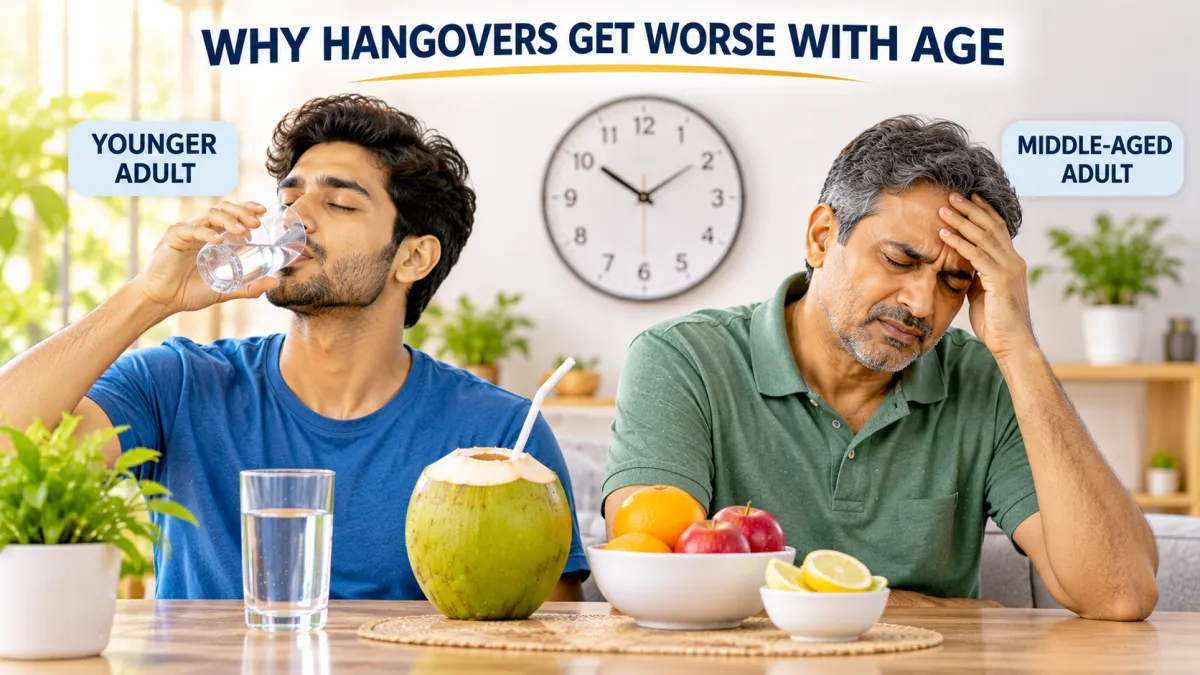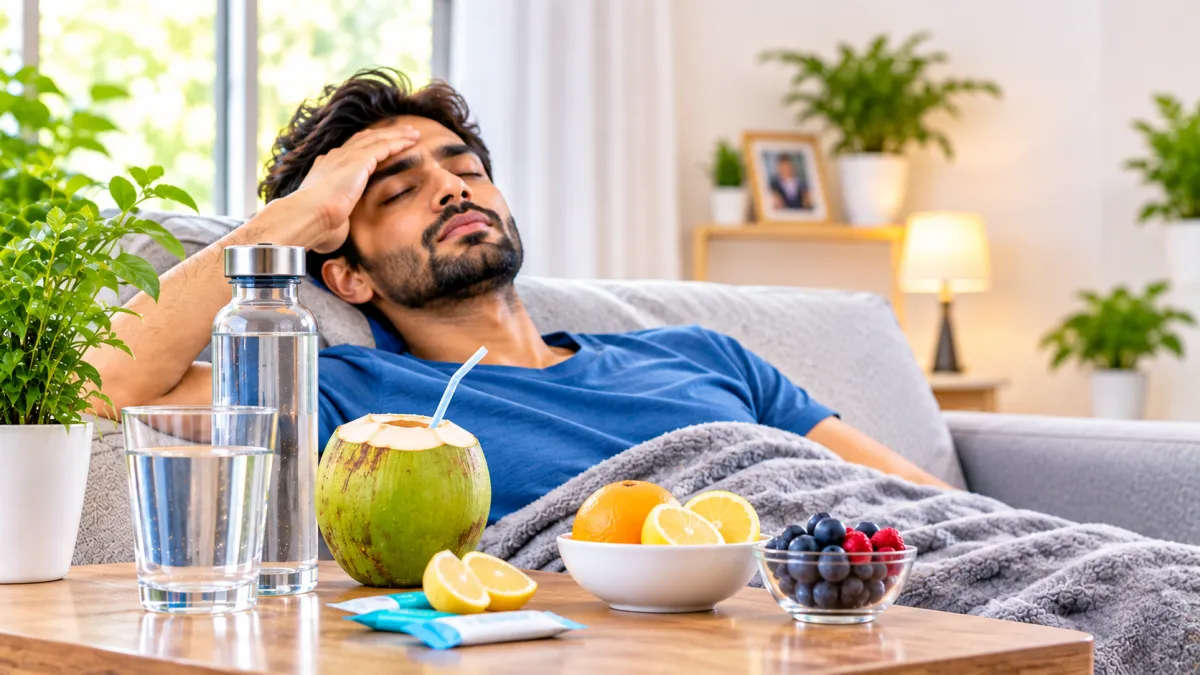
Looking for a hangover cure at home after a night of drinking? You are not alone. A headache, nausea, dry mouth, and tiredness can make the next morning difficult.
Fortunately, a few simple steps can help you feel more comfortable. Drinking water, eating light food, and getting enough sleep are good places to start. However, there is no instant hangover cure.
Many popular remedies promise quick results. Yet, some do not work as claimed. Others may even make you feel worse. Therefore, it is important to understand what helps, what is a myth, and when you need medical attention.
What Causes a Hangover?
A hangover is a group of symptoms that can occur after drinking too much alcohol. It often becomes noticeable when your blood alcohol level starts falling.
Alcohol affects several parts of your body. For example, it can increase urination, disturb sleep, and irritate your stomach. It can also trigger inflammation and expose your body to alcohol breakdown products.
As a result, you may experience:
- Headache and body aches
- Dry mouth and thirst
- Nausea or vomiting
- Tiredness and weakness
- Dizziness
- Poor concentration
- Sensitivity to light and sound
- Anxiety or irritability
However, not everyone experiences the same symptoms. The amount of alcohol, your sleep, food intake, and individual health can all make a difference.
7 Ways to Feel Better With a Hangover Cure at Home
There is no magic solution. Nevertheless, these simple steps may help you manage common symptoms while your body recovers.
1. Drink Water Slowly
Alcohol can increase urine production. Consequently, you may wake up feeling thirsty or dehydrated.
Start with small sips of water. Then, continue drinking fluids throughout the day. If you feel nauseated, avoid drinking a large amount at once.
Water helps replace lost fluids. However, it does not remove alcohol from your bloodstream or make your body process alcohol faster.
2. Try ORS When You Need It
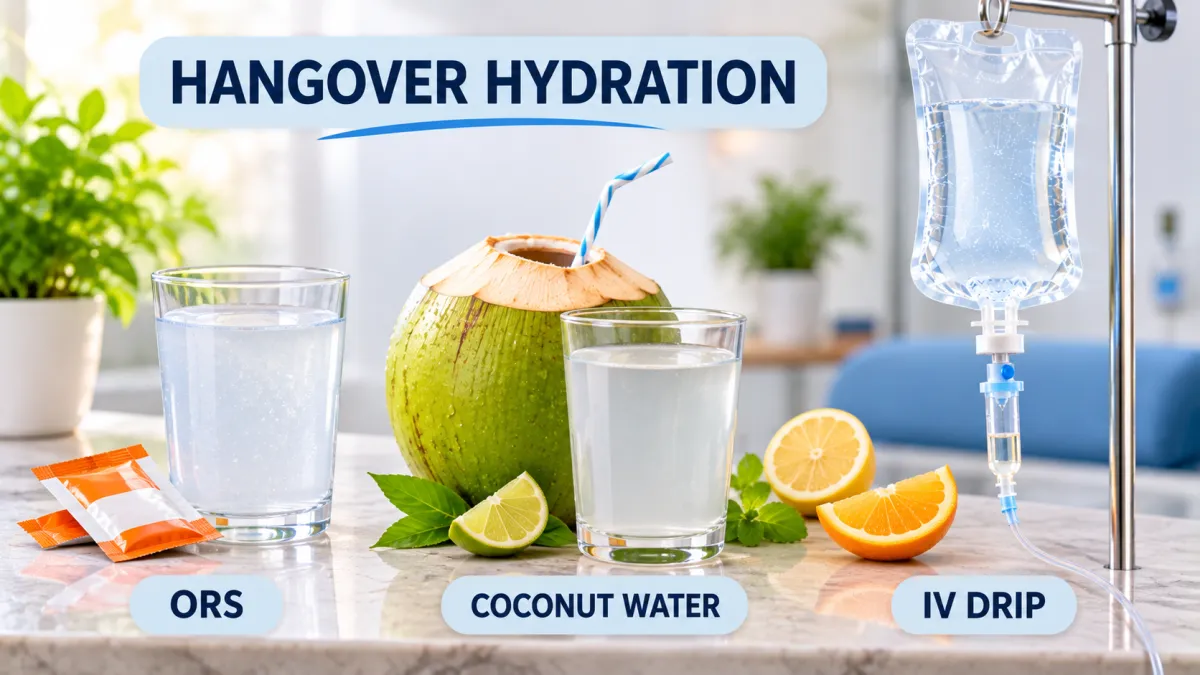
If you have repeated vomiting or diarrhoea, you may lose both water and salts. In that case, an oral rehydration solution (ORS) may help replace them.
Prepare ORS according to the packet instructions. Also, drink it slowly if your stomach feels unsettled.
However, most mild hangovers do not need special electrolyte products. Regular water and meals may be enough.
3. Eat a Light Meal
You may not feel hungry after drinking. Even so, a small meal can help you feel more comfortable.
Choose simple foods such as:
- Plain toast
- Banana
- Idli
- Oatmeal
- Soft khichdi
- Clear vegetable soup
- Crackers
These foods are easy options when you do not want a heavy meal. In addition, eating small portions may feel better than having a large breakfast.
Avoid very oily or spicy foods if they make your nausea worse.
4. Get Enough Sleep
Alcohol can affect your normal sleep pattern. Therefore, you may wake up tired even after sleeping for several hours.
Give yourself time to rest. If possible, take a nap and avoid unnecessary physical activity.
Also, do not drive or operate machinery while you feel dizzy, sleepy, or mentally slow. A hangover can affect your attention and coordination.
5. Try Ginger for Nausea
Some people find mild ginger tea soothing when they feel sick. It is a simple drink that you can prepare at home.
However, ginger is not a proven hangover cure. It may simply feel comforting for some people.
If it causes stomach discomfort, stop drinking it. Instead, try small sips of plain water.
6. Avoid More Alcohol
Some people believe that another drink the next morning will reduce hangover symptoms. This is often called hair of the dog.
However, this is not a real cure. Another drink may temporarily change how you feel, but it adds more alcohol for your body to process.
As a result, it may prolong your discomfort. Therefore, avoid alcohol until you have recovered.
7. Keep Your Day Simple
Finally, do not push yourself too hard. Choose light activities and take breaks when needed.
For example, you can sit in a quiet room, eat regular meals, and drink water throughout the day. Moreover, avoid intense workouts if you feel weak or dizzy.
Your body needs time to recover. So, give it enough rest.
Hangover Remedies: What Works and What Doesn't?
Many products and home remedies promise quick relief. However, not all of them have scientific support.
|
Remedy |
What you should know |
|
Drinking water |
Helps replace fluids |
|
ORS |
Useful when fluid and salt losses need replacing |
|
Light meals |
May settle your stomach and provide energy |
|
Sleep |
Helps with tiredness |
|
Coffee |
May improve alertness, but does not cure a hangover |
|
Cold shower |
May make you feel awake, but does not remove alcohol |
|
More alcohol |
Does not cure a hangover |
In short, water, food and rest may help you manage symptoms. However, time is the only reliable cure.
Should You Take Painkillers for a Hangover?
A headache is one of the most common hangover symptoms. Therefore, you may consider taking a painkiller.
However, be careful when choosing one.
In addition, avoid mixing medicines with alcohol. If you are unsure, speak to a healthcare professional before taking any medicine.
Do IV Drips Cure a Hangover?
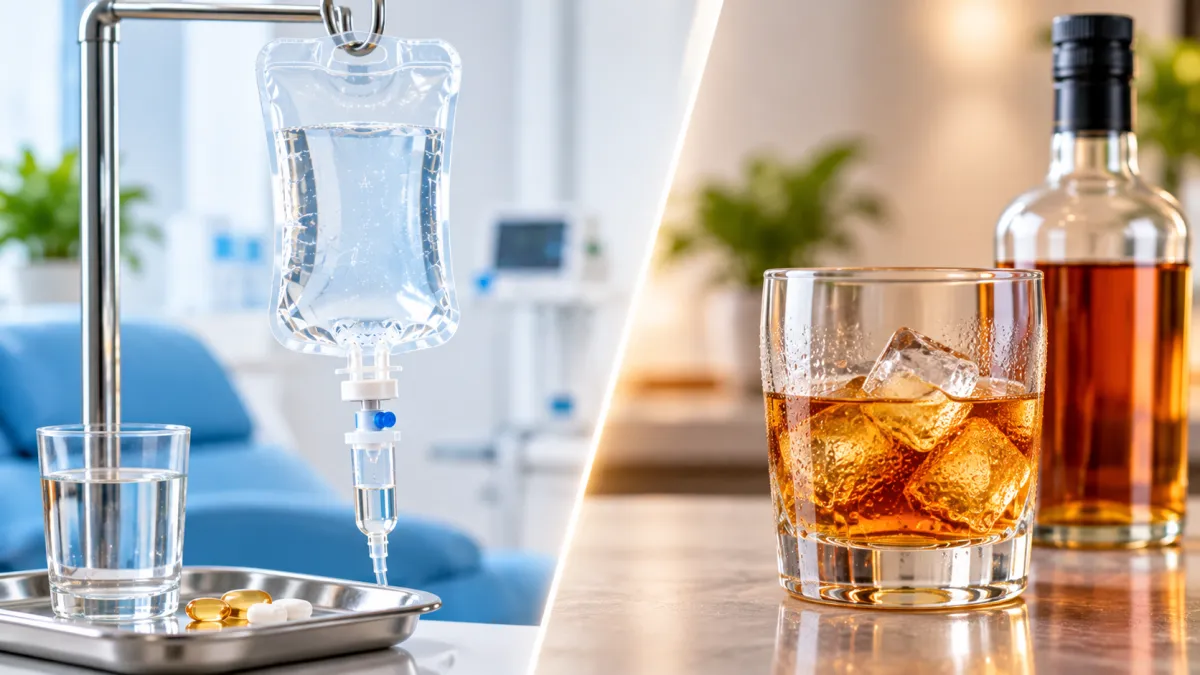
IV drips deliver fluids and selected nutrients directly into a vein. In certain medical situations, a healthcare professional may recommend IV fluids. For example, this may be necessary when someone is severely dehydrated and cannot drink enough fluids.
However, an IV drip is not an instant hangover cure.
Moreover, unnecessary IV treatment can cause complications, such as infection, vein irritation, and fluid-related problems.
How Does ivital Approach IV Wellness?
At ivital, people can enquire about vitamin drip services at the Jayanagar centre or through home visits.
At ivital, you can explore our Hangover Drip which is priced at ₹4,400 per session,
Alcohol makes your body lose fluid and use up some vitamins. This drip puts fluid back and tops up thiamine(vitamin B1), Vitamin C, and glutathione. If your clinician agrees it’s right, they can add anti-nausea medicine.
However, the right approach starts with an assessment. A qualified healthcare professional should review your symptoms, health history, and hydration needs before recommending treatment.
An IV service should not replace medical care when someone has severe vomiting, confusion, breathing problems, or suspected alcohol poisoning.
Common Hangover Myths You Should Avoid
Some hangover remedies are popular because they sound simple. Nevertheless, popularity does not prove that they work.
Myth 1: Coffee Cures a Hangover
Coffee may make you feel more alert. However, it does not remove alcohol from your bloodstream or cure a hangover.
Myth 2: A Cold Shower Removes Alcohol
A cold shower may make you feel refreshed. Still, it does not speed up alcohol breakdown. It can also be unsafe if you feel dizzy or weak.
Myth 3: Another Drink Makes You Better
More alcohol may temporarily mask some symptoms. However, it can prolong recovery and increase health risks.
Myth 4: A Vitamin Drip Cancels Alcohol
A vitamin drip cannot undo the effects of heavy drinking. It also cannot prevent alcohol poisoning or guarantee that you will avoid a hangover.
Myth 5: Sweating Removes Alcohol
Exercise and sweating do not meaningfully speed up alcohol removal. In fact, intense exercise may make you feel worse if you are dehydrated or weak.
When Should You Seek Medical Help?
Most mild hangovers improve with time. However, some symptoms may indicate alcohol poisoning rather than an ordinary hangover.
Seek emergency medical help if someone has:
- Severe confusion or cannot respond properly
- Difficulty staying awake or cannot be woken
- Slow or irregular breathing
- Seizures
- Repeated vomiting with reduced awareness
- Pale, blue, or unusually cold skin
Do not leave an unconscious person alone to sleep it off. Do not give them coffee, force them to drink water, or put them in a cold shower.
Also, contact a healthcare professional if vomiting continues, you cannot keep fluids down, or your symptoms become severe.
How Can You Prevent a Hangover Next Time?
The most reliable way to prevent a hangover is to avoid alcohol. If you choose to drink, reducing the amount can lower the risk.
Here are a few practical steps:
- Drink slowly.
- Avoid binge drinking.
- Eat before drinking.
- Choose non-alcoholic drinks between alcoholic drinks.
- Drink water throughout the evening.
- Avoid mixing alcohol with medicines that interact with it.
- Stop drinking if you begin to feel unwell.
- Never drive after drinking.
Most importantly, do not assume that coffee, food or an IV drip will make heavy drinking safe.
Conclusion
A hangover cure at home does not involve a magic drink, tablet or quick treatment. Instead, simple steps such as drinking water, eating light meals and getting enough sleep can help you manage discomfort.
However, your body still needs time to recover. Therefore, avoid more alcohol, be careful with painkillers, and do not rely on unproven supplements or instant-cure claims.
If you are considering IV wellness services, speak with a qualified healthcare professional first. Remember, severe symptoms may need urgent medical attention rather than a home remedy.
Visit ivital for a free consultation at the Jayanagar centre and a home visit, WhatsApp/call, or contact us for more information.
Frequently asked questions
What is the fastest hangover cure at home?
There is no instant cure. However, drinking water, eating light food, and getting enough rest may help reduce discomfort while your body recovers.
Is ORS good for a hangover?
ORS can help replace fluids and salts when you have lost them through vomiting or diarrhoea.
How long does a hangover last?
Many hangovers improve within 8 to 24 hours. However, symptoms can last longer depending on the amount of alcohol consumed and individual factors.
Does coffee help with a hangover?
Coffee may temporarily improve alertness.
References
This article is general information, not medical advice. IV therapy isn’t right for everyone. Discuss your health history, risks and alternatives with a qualified clinician before treatment.