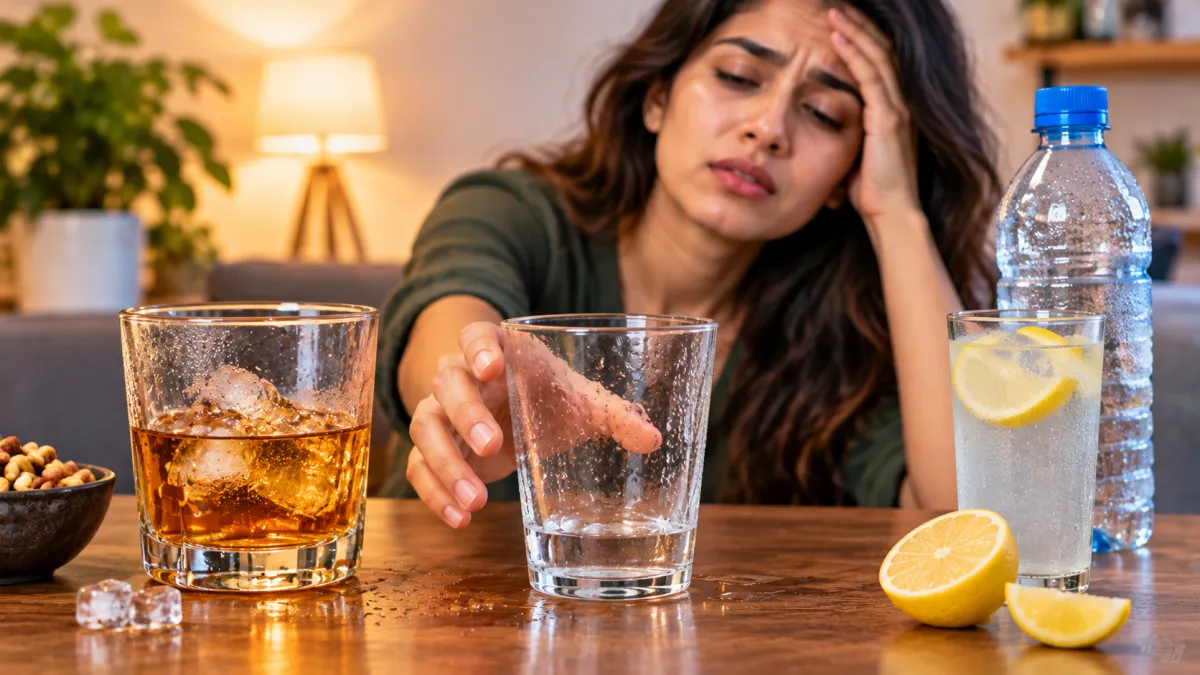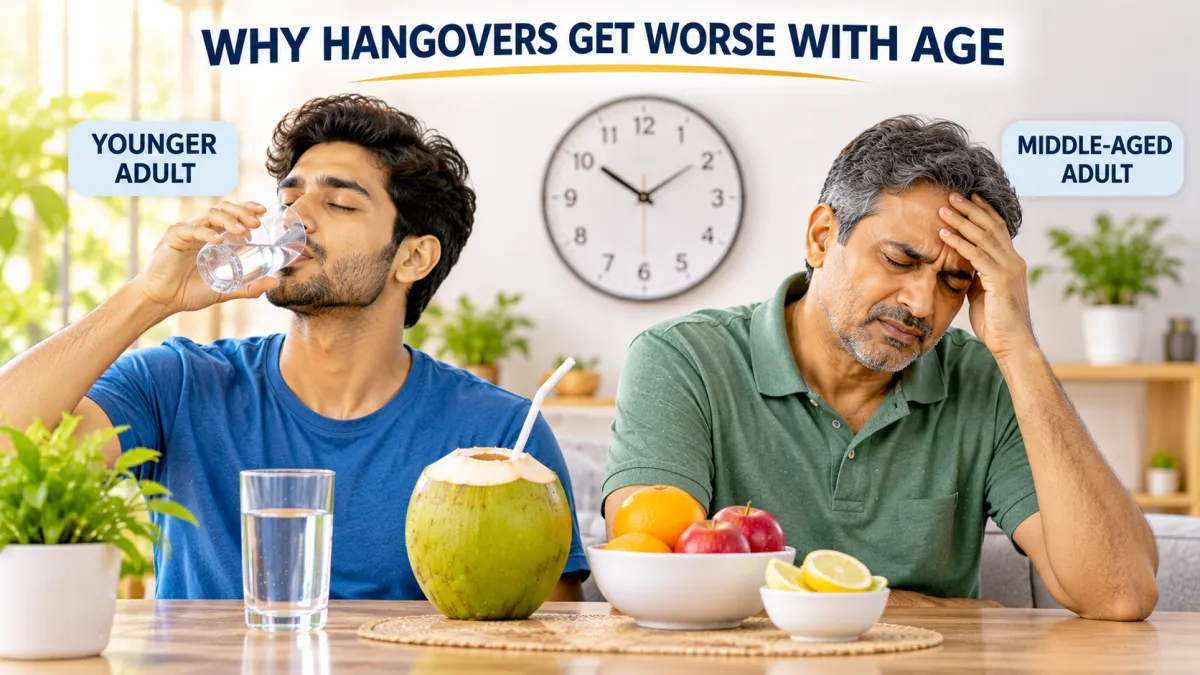
A fun evening can quickly turn into an uncomfortable morning. Headaches, nausea, thirst, and tiredness can make the next day difficult. Fortunately, understanding how to prevent a hangover can help you make safer choices before drinking alcohol.
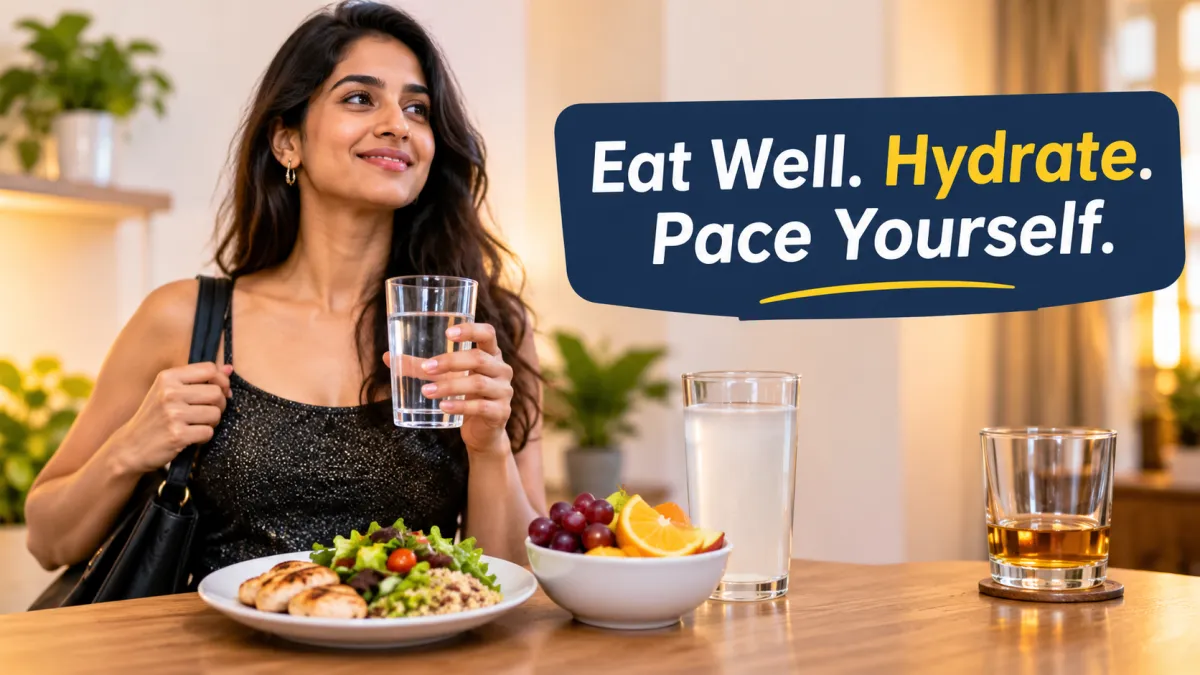
Although there is no guaranteed way to avoid a hangover, a few habits may reduce the risk. For example, eating a proper meal, drinking water, and pacing your drinks can make a difference.
Moreover, knowing your alcohol limits is important. Drinking less is the most reliable way to reduce hangover symptoms. You should also remember that coffee, food, and vitamin supplements cannot cancel out the effects of alcohol.
In this blog, we explain what to eat before drinking, how much water to drink, why pacing matters, and what you can do the next morning. We also explain how the ivital.fit Hangover Drip may support hydration and nutritional needs after drinking.
How to Prevent a Hangover and Why Should You Prepare Before Drinking Alcohol?
Alcohol affects several parts of your body. It can increase urination, irritate your stomach, disturb your sleep, and cause inflammation.
As a result, you may experience a combination of symptoms the next morning.
Common hangover symptoms include:
- Headaches
- Dry mouth and thirst
- Nausea and vomiting
- Dizziness
- Tiredness and weakness
- Poor concentration
- Sensitivity to light and sound
- Anxiety and irritability
However, not everyone experiences the same symptoms. The amount of alcohol, drinking speed, food intake, sleep, and individual health all play a role.
Therefore, preparing before drinking is a sensible step. Nevertheless, preparation cannot make heavy drinking safe or guarantee a hangover-free morning.
Eat a Proper Meal Before Drinking
One of the simplest ways to prepare your body is to eat before drinking alcohol.
When you drink on an empty stomach, alcohol enters your bloodstream more quickly. In contrast, food can slow the movement of alcohol from your stomach into your small intestine.
Consequently, alcohol absorption may happen more slowly.
What should you eat before drinking?
Choose a balanced meal that contains carbohydrates, protein, and healthy fats.
Here are some good options:
|
Food |
Why it is useful |
|
Brown rice |
Provides carbohydrates and energy |
|
Eggs |
Provide protein and essential nutrients |
|
Oats |
Contain carbohydrates and fibre |
|
Bananas |
Provide potassium and carbohydrates |
|
Curd |
Provides protein and calcium |
|
Nuts |
Provide healthy fats and protein |
|
Whole-wheat roti |
Provides carbohydrates and fibre |
|
Vegetables |
Supply vitamins and minerals |
For example, you can eat rice with dal and vegetables. Alternatively, you can have eggs with whole-wheat toast.
If you prefer vegetarian food, choose paneer, curd, dal or chickpeas.
Most importantly, do not skip dinner just because you plan to drink later.
However, remember that food does not prevent intoxication. It only slows alcohol absorption. You can still become drunk even after eating a full meal.
Drink Water Before You Start Drinking
Hydration is another important part of hangover prevention.
Alcohol reduces the release of vasopressin, a hormone that helps your kidneys retain water. As a result, you may urinate more often.
This can contribute to fluid loss and symptoms such as thirst, dry mouth, and headaches.
Therefore, start your evening well hydrated.
Simple hydration tips
- Drink water regularly throughout the day.
- Have a glass of water with your meal.
- Drink water before your first alcoholic drink.
- Keep water available throughout the evening.
- Continue drinking water after you finish drinking.
However, avoid forcing yourself to drink excessive amounts of water in a short time. Too much water can also be harmful.
If you have kidney or heart problems, follow your doctor's fluid advice.
Pace Your Drinks Instead of Drinking Quickly
Drinking speed matters.
When you consume several drinks in a short period, your blood alcohol concentration can rise quickly. Consequently, you may experience stronger effects.
Therefore, pacing your drinks is a useful way to reduce risk.
How to pace your drinks
1. Drink slowly
Avoid drinking large amounts in a short period. Take your time and avoid drinking games.
2. Take breaks
Allow time between drinks. Use these breaks to have water, eat something or simply stop drinking.
3. Avoid shots
Shots make it easy to consume large amounts of alcohol quickly. Therefore, avoiding them can help you stay within your limits.
4. Set a limit beforehand
Decide whether you will drink before going out. However, remember that no amount of alcohol is completely risk-free.
5. Choose smaller servings
A large glass may contain more than one standard drink. Therefore, pay attention to the actual amount of alcohol rather than the number of glasses.
Most importantly, do not feel pressured to keep drinking because others are drinking.
Avoid Mixing Different Alcoholic Drinks
Many people believe that mixing beer, wine, and spirits causes worse hangovers.
However, the total amount of alcohol you consume is more important than the order in which you drink different types.
Nevertheless, mixing drinks can make it harder to track how much alcohol you have consumed.
For example, you may have a beer, followed by wine and then a cocktail. Before you realise it, you may have consumed more alcohol than planned.
Therefore, keep track of your drinks.
Also, some alcoholic drinks contain more congeners. These are substances produced during fermentation and ageing. Darker drinks, such as bourbon, may contain more congeners than clear spirits.
Congeners may contribute to hangover severity in some people. However, choosing clear alcohol does not prevent hangovers.
The safest choice is to drink less or avoid alcohol.
Be Careful With Sugary and Carbonated Drinks
Cocktails, mixers, and soft drinks can make alcohol easier to consume.
For example, sweet cocktails may hide the taste of alcohol. As a result, you may drink more than you intended.
Some research also suggests that carbonation can affect the rate of alcohol absorption in certain situations.
Therefore, avoid using sweet or fizzy mixers to make alcohol easier to drink.
Instead, choose non-alcoholic drinks between alcoholic drinks. Water is a simple option.
Additionally, do not assume that fruit juice or energy drinks reduce intoxication. They cannot remove alcohol from your bloodstream.
Get Enough Sleep Before and After Drinking
Sleep is important for your overall health. However, alcohol can disturb your normal sleep cycle.
You may fall asleep quickly after drinking. Nevertheless, alcohol can reduce sleep quality and cause you to wake up during the night.
As a result, you may feel tired the next morning.
To support better sleep:
- Avoid drinking close to bedtime.
- Stop drinking well before you plan to sleep.
- Keep your bedroom comfortable and quiet.
- Avoid late-night caffeine.
- Allow enough time for rest.
Furthermore, remember that sleep does not speed up alcohol removal. Your liver needs time to process alcohol.
Avoid These Common Hangover Prevention Myths
Many hangover prevention tips are popular. Unfortunately, not all of them work.
Here are some common myths.
|
Myth |
What actually happens |
|
Drinking coffee prevents hangovers |
Coffee may increase alertness but does not remove alcohol |
|
Eating oily food absorbs alcohol |
Food may slow absorption, but greasy food cannot prevent a hangover |
|
Taking vitamins before drinking prevents hangovers |
Vitamins do not cancel out alcohol's effects |
|
Drinking more alcohol the next morning helps |
It may delay symptoms but can prolong drinking-related problems |
|
Taking painkillers before drinking is safe |
Some medicines can interact with alcohol or harm the liver and stomach |
|
Drinking water makes you sober |
Water helps hydration but does not lower blood alcohol concentration |
Therefore, do not depend on quick fixes.
Instead, focus on drinking less, eating properly, and staying hydrated.
What Should You Do the Morning After Drinking?
Even if you take precautions, you may still experience a hangover.
Fortunately, some simple steps can help you manage the symptoms.
Drink water
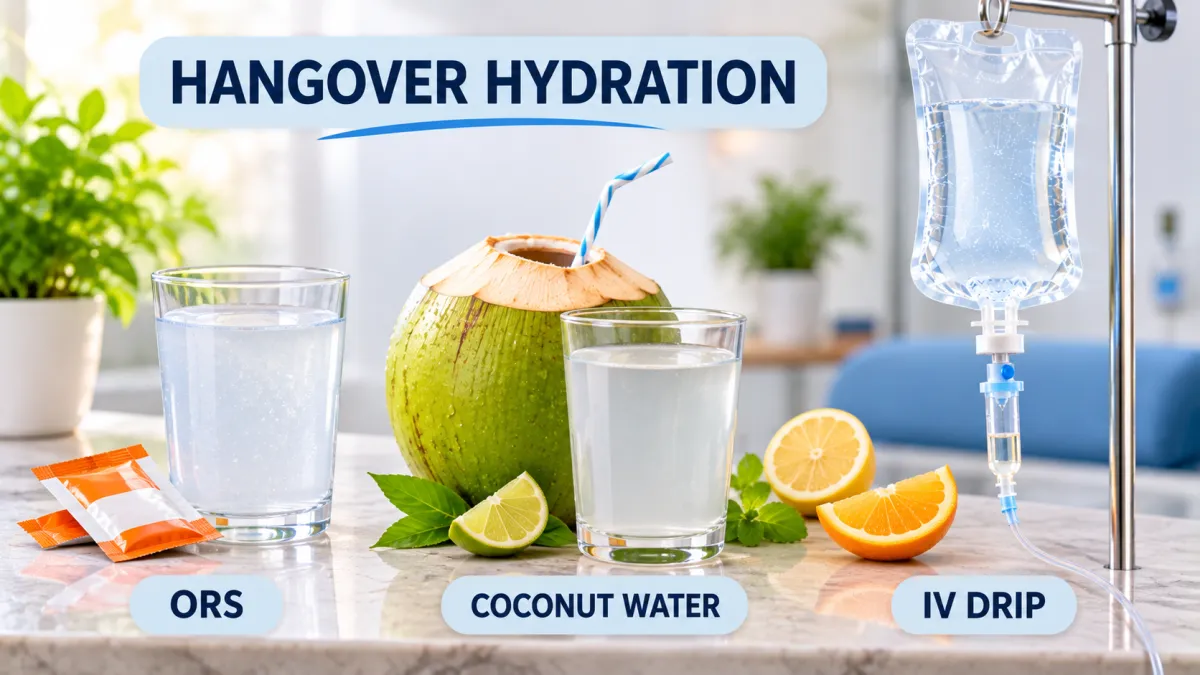
Start by drinking water. If you have lost fluids, an oral rehydration solution may help replace water and electrolytes.
Eat a light meal
Choose foods that are easy to digest. For example, bananas, toast, rice, curd or soup may be suitable.
Get enough rest
Give your body time to recover. Avoid intense workouts if you feel weak or dizzy.
Avoid more alcohol
Another alcoholic drink will not cure a hangover. Instead, it may extend the problem.
Be careful with medicines
Paracetamol can increase the risk of liver injury when combined with heavy alcohol use. Other painkillers, such as ibuprofen, may irritate the stomach.
Therefore, ask a healthcare professional before taking medication.
If you experience confusion, seizures, slow or irregular breathing, difficulty waking up, or repeated vomiting, seek emergency medical care. These may be signs of alcohol poisoning.
ivital.fit Hangover Drip: Price and How It Supports Recovery
Sometimes, after drinking, you may feel dehydrated, tired, and run down. In such situations, ivital.fit offers a Hangover Drip that provides fluids and selected nutrients through an IV.
The ivital.fit Hangover Drip costs ₹4,400 per session.
It is available at the Jayanagar centre in Bengaluru or through a home visit, subject to clinical assessment.
What does the ivital.fit Hangover Drip contain?
The Hangover Drip includes three key ingredients.
Vitamin C
Vitamin C is an antioxidant. It supports normal immune function and helps protect cells from oxidative damage.
Thiamine (Vitamin B1)
Thiamine helps the body convert carbohydrates into energy. Moreover, heavy or regular alcohol use can affect thiamine intake and absorption.
Glutathione
Glutathione is an antioxidant naturally produced by the body. It helps protect cells from oxidative stress.
How does the Hangover Drip work?
The drip delivers fluids and selected nutrients directly into a vein.
The process generally includes:
- Consultation: A clinician discusses your symptoms and medical history.
- Assessment: Your health, medicines, and allergies are reviewed.
- IV session: If suitable, the drip is administered over approximately 30–45 minutes.
- Aftercare: You receive advice based on your symptoms and health needs.
The fluids may help replace lost fluids. In addition, the nutrients provide nutritional support.
Nevertheless, an IV drip cannot remove alcohol from your bloodstream or instantly cure a hangover. Your body still needs time to recover.
ivital.fit Hangover Drip price
|
Service |
Details |
|
Hangover Drip |
₹4,400 |
|
Session duration |
Approximately 30–45 minutes |
|
Clinic |
Jayanagar, Bengaluru |
|
Home visit |
Available after assessment |
|
Consultation |
Free |
The final suitability and treatment plan are decided by a clinician.
People with kidney or heart conditions, certain allergies or other medical concerns may need special assessment before receiving IV fluids.
Conclusion
Knowing how to prevent a hangover starts with making better choices before drinking. Eat a balanced meal, drink water, pace your drinks, and avoid consuming too much alcohol.
Moreover, getting enough sleep and avoiding risky drinking habits can help reduce next-day discomfort.
Visit ivital for a free consultation at the Jayanagar centre, or book a home visit, WhatsApp/call, or contact us for more information.
Frequently asked questions
How can I prevent a hangover before drinking?
Eat a balanced meal, stay hydrated, and avoid drinking quickly. Most importantly, limit your alcohol intake because drinking less is the best way to reduce hangover risk.
What should I eat before drinking alcohol?
Choose foods containing carbohydrates, protein and healthy fats. Eggs, rice, oats, bananas, nuts, dal and curd are good options.
Can an IV drip help with a hangover?
An IV drip may help replace fluids and provide selected nutrients when clinically appropriate.
Does drinking water before alcohol prevent a hangover?
Drinking water helps you stay hydrated. However, it cannot prevent all hangover symptoms or stop alcohol from affecting your body.
References
This article is general information, not medical advice. IV therapy isn’t right for everyone. Discuss your health history, risks and alternatives with a qualified clinician before treatment.