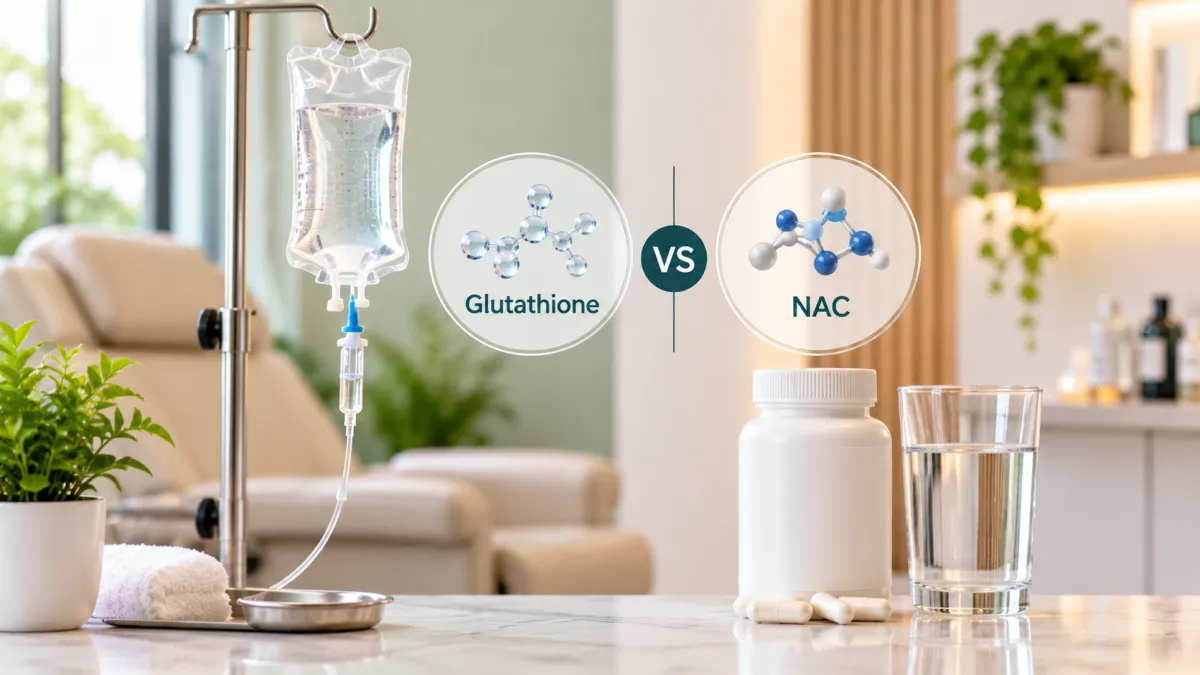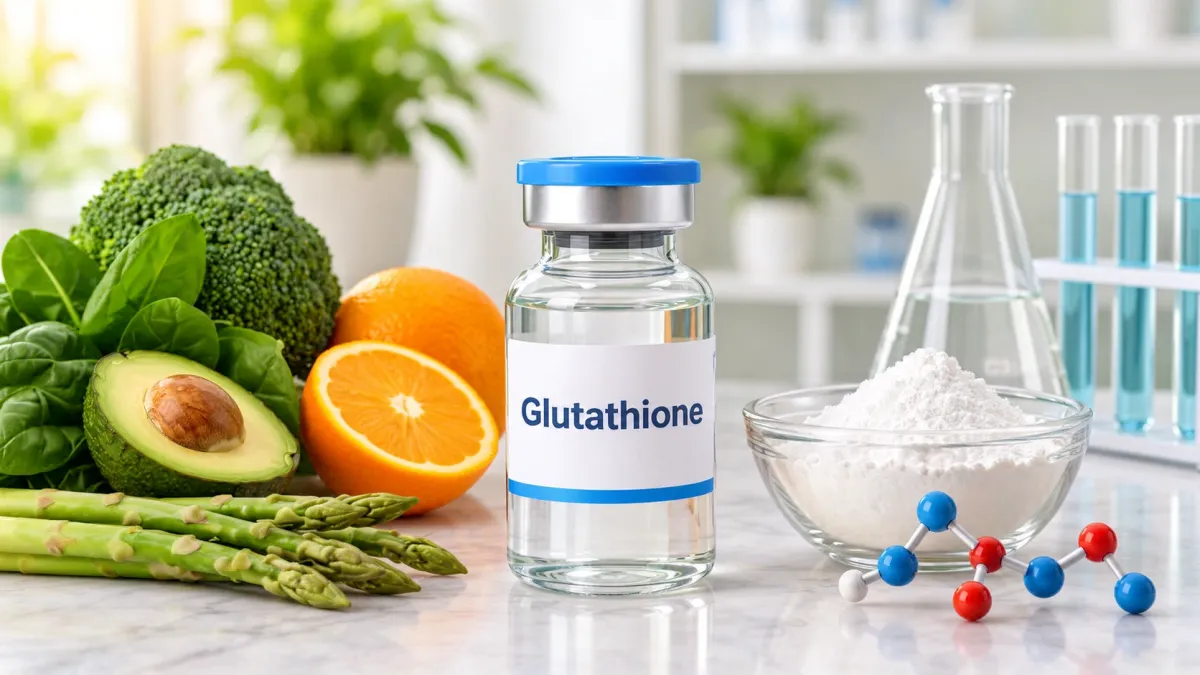
If you follow a vegetarian or vegan diet, you may have an important question before starting a wellness treatment: Is glutathione vegetarian?
The short answer is that glutathione can be vegetarian and vegan-friendly. However, it depends on how the product is made and what other ingredients it contains.
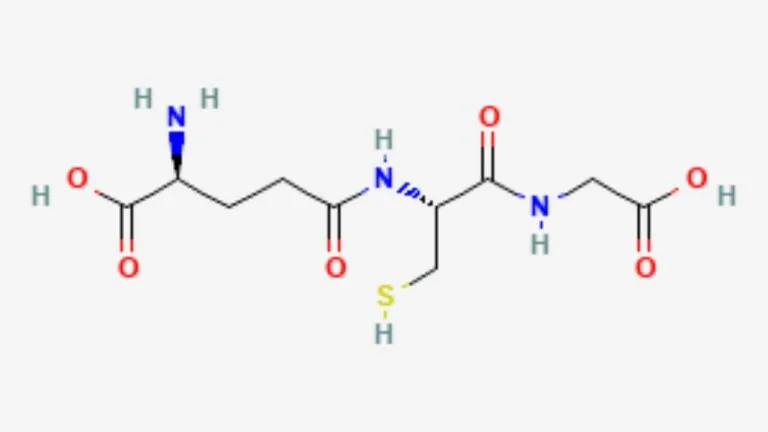
Glutathione is a natural antioxidant found in the human body. It is made from three amino acids: glutamic acid, cysteine, and glycine. These building blocks are joined to form one small molecule.
Moreover, commercial glutathione can be produced through microbial fermentation or chemical manufacturing. Therefore, it does not always come from animal tissues.
However, there is one important detail. The active glutathione and the other ingredients in a supplement are not necessarily from the same source.
For example, a capsule may contain animal-derived gelatin even when its glutathione ingredient is vegetarian.
So, what should you check before choosing a glutathione supplement or IV treatment? Let's understand its ingredients, manufacturing methods, and suitability for different diets.
What Is Glutathione Made From?
Glutathione is a small molecule made from three amino acids.
These are:
- Glutamic acid: An amino acid involved in many normal body functions.
- Cysteine: A sulphur-containing amino acid that plays an important role in glutathione production.
- Glycine: An amino acid that supports protein production and other body processes.
Together, these three amino acids form a compound called a tripeptide.
Your body naturally produces glutathione in its cells. In addition, it helps protect cells from oxidative stress and supports normal antioxidant activity.
Importantly, these three amino acids are not automatically animal-derived. They can be obtained from different manufacturing and raw-material sources.
Therefore, the chemical composition of glutathione alone does not tell you whether a particular product is vegetarian.
Is Glutathione Vegetarian or Non-Vegetarian?
Glutathione itself can be vegetarian. However, the manufacturing source matters.
Many commercial glutathione ingredients are produced using microbial fermentation. This process uses microorganisms, such as yeast, to produce glutathione.
For example, some manufacturers use Torula yeast fermentation. This method does not require extracting glutathione from animal tissues.
However, not every product uses the same manufacturing process. Therefore, you should check the manufacturer's information before deciding.
Here is a simple comparison:
|
Glutathione source |
Vegetarian suitability |
|
Yeast fermentation |
Generally vegetarian |
|
Chemical synthesis |
Generally vegetarian |
|
Animal-derived extraction |
Not vegetarian |
|
Unknown manufacturing source |
Needs verification |
Consequently, a product made through yeast fermentation may suit vegetarians and vegans. Nevertheless, you should also check the remaining ingredients.
How Is Commercial Glutathione Made?
Commercial glutathione can be produced through different manufacturing methods. However, microbial fermentation is an important industrial method.
1. Yeast Fermentation
First, manufacturers use selected microorganisms to produce glutathione.
For example, yeast strains can produce glutathione during fermentation. Manufacturers then collect and process the material.
The process may include:
- Preparing the fermentation medium.
- Growing selected yeast cultures.
- Producing glutathione through fermentation.
- Separating the desired ingredient.
- Purifying and testing the final material.
As a result, manufacturers can obtain glutathione without directly extracting it from animal tissues.
2. Chemical Synthesis
Another method is chemical synthesis.
In this process, manufacturers combine the required building blocks through controlled chemical reactions.
The aim is to produce glutathione with the correct molecular structure.
However, the source and quality of the raw materials still matter. Therefore, ask the manufacturer about the production process if you follow strict dietary rules.
3. Enzymatic Production
Glutathione can also be produced using enzyme-based processes.
These processes use enzymes to help join the required amino acids.
However, the enzymes and other processing materials may come from different sources. Therefore, the final product should be checked rather than assuming it is automatically vegetarian.
Is Glutathione Vegan?
Yes, glutathione can be vegan. However, the complete product must be free from animal-derived ingredients.
For example, yeast-fermented glutathione can be suitable for vegans. Similarly, chemically synthesised glutathione can also be vegan-friendly.
Therefore, do not judge a supplement only by its main ingredient.
Instead, check the complete ingredient list and ask the manufacturer to confirm the source of each questionable ingredient.
What Should Vegetarians Check Before Buying Glutathione?
If you are vegetarian, checking the product label is an important first step.
However, some details may not appear clearly on the packaging. Therefore, it is worth asking the manufacturer or supplier a few questions.
1. Check the Source of Glutathione
First, ask whether the glutathione comes from yeast fermentation, chemical synthesis, or another source.
If it is made through yeast fermentation, ask for confirmation that animal-derived processing materials are not used.
2. Check the Capsule Shell
Next, look at the capsule ingredients.
A product may contain vegetarian glutathione but use a gelatin capsule.
Instead, look for capsules made from plant-based materials such as:
- Hydroxypropyl methylcellulose (HPMC).
- Pullulan.
- Other suitable plant-based capsule materials.
3. Check the Additives
Also, review the full ingredient list.
Pay attention to glycerin, stearates, coatings, and other additives. If the source is unclear, contact the manufacturer.
4. Look for Vegetarian or Vegan Certification
A vegetarian or vegan logo can make product selection easier.
However, check who issued the certification and what it covers. Also, make sure it applies to the finished product rather than only one raw ingredient.
5. Ask for Manufacturer Confirmation
Finally, ask the manufacturer for written confirmation.
This is especially useful when the packaging does not provide enough information.
For example, you can ask:
- Is the glutathione produced through yeast fermentation?
- Are any animal-derived ingredients used?
- Is the capsule shell plant-based?
- Are the processing aids vegetarian?
- Is the finished product vegan-certified?
These questions can help you make a more informed choice.
What About Vegetarian and Vegan Glutathione IV Drips?
Glutathione is also available in injectable and IV forms. However, dietary suitability needs a slightly different check.
Unlike oral supplements, injectable products do not usually contain capsule shells. Nevertheless, they may contain other ingredients, such as stabilisers, buffers and solvents.
Therefore, vegetarians and vegan consumers should ask about the complete formulation.
Before choosing an IV treatment, check the following:
|
What to check |
Why it matters |
|
Glutathione source |
Confirms how the active ingredient is made |
|
Other ingredients |
Identifies possible animal-derived materials |
|
Processing aids |
Helps clarify manufacturing sources |
|
Product manufacturer |
Provides traceability |
|
Product quality |
Helps verify identity, purity and safety |
|
Relevant certification |
Supports dietary suitability claims |
Injectable products require separate checks for quality, regulatory status, sterility, and suitability for the patient.
Therefore, always discuss injectable treatment with a qualified healthcare professional.
Does Being Vegetarian Affect Glutathione Levels?
Not necessarily.
Your body makes its own glutathione using amino acids obtained through food and normal metabolism.
Therefore, following a vegetarian diet does not automatically mean you have low glutathione levels.
However, your overall nutrition matters.
For example, protein provides amino acids that support normal glutathione production.
Vegetarian foods that provide useful protein and related nutrients include:
- Lentils and chickpeas.
- Soybeans and tofu.
- Milk and yoghurt.
- Peanuts and almonds.
- Beans and green peas.
- Whole grains.
Furthermore, vegetables such as broccoli, cabbage, spinach, and cauliflower provide nutrients that support overall health.
Consequently, a balanced vegetarian diet can support your body's normal antioxidant systems.
However, no single food or supplement guarantees higher glutathione levels or prevents disease.
Why Choose ivital for Wellness and Vitamin Drips?
At ivital, wellness treatments are designed around different health and lifestyle goals.
Whether you feel tired, run down, or hungover, or want to explore skin-focused wellness options, professional guidance can help you understand the available treatments.
ivital offers wellness services in Jayanagar and through home visits.
If you follow a vegetarian, vegan, or halal diet, discuss your dietary requirements before choosing a treatment.
You can also ask about:
- The source of the glutathione ingredient.
- Other ingredients in the formulation.
- Manufacturer and product details.
- Available certifications.
- Possible side effects and treatment suitability.
Most importantly, do not choose an injectable treatment based only on its dietary label. Medical suitability and product quality matter just as much.
Conclusion
So, is glutathione vegetarian? Yes, it can be vegetarian and vegan-friendly. In fact, many commercial products use yeast fermentation or chemical synthesis instead of animal-derived extraction.
Therefore, always check the ingredient list and ask the manufacturer for clear information. If you are considering an IV treatment, also check the product quality, regulatory status, and medical suitability.
Ultimately, the best choice is a product that matches your dietary requirements and meets the necessary quality and safety standards.
Visit ivital for a free consultation at our Jayanagar centre or enquire about a home visit. WhatsApp or call us, or contact us for more information.
Frequently asked questions
Is glutathione vegetarian or non-vegetarian?
Glutathione can be vegetarian. Many commercial products use yeast fermentation or chemical synthesis. However, check the manufacturing source before buying.
Is glutathione vegan-friendly?
Yes, glutathione itself can be vegan-friendly.
Is glutathione made from animal sources?
Not necessarily. Commercial glutathione is often produced through microbial fermentation using yeast.
Can vegetarians naturally increase glutathione levels?
Your body naturally produces glutathione. Eating balanced meals with lentils, beans, soy, nuts and vegetables can support the normal production of glutathione.
References
This article is general information, not medical advice. IV therapy isn’t right for everyone. Discuss your health history, risks and alternatives with a qualified clinician before treatment.