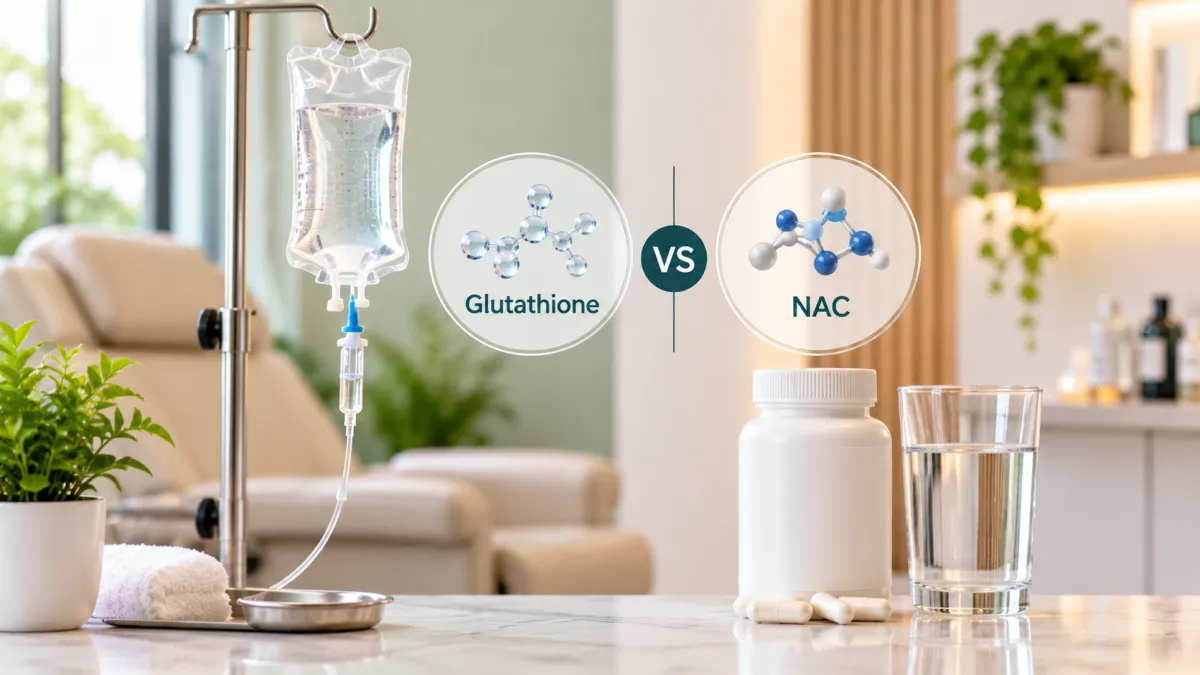
When comparing glutathione vs NAC, it is easy to think they do the same thing. After all, both are linked to antioxidant support. However, they have different roles in the body.
Glutathione is an antioxidant that your body makes naturally. NAC, on the other hand, supplies cysteine. This is one of the three building blocks your body needs to produce glutathione.
So, how are they connected? Why do some vitamin drips contain both? And is one better than the other?
At ivital, several vitamin drips include glutathione, NAC, or a combination of both. These formulations are designed for different wellness goals, such as skin care, active lifestyles, and run-down days. You can explore them at the Jayanagar centre or ask about a home visit after a doctor's consultation.
Let's understand the difference in simple terms.
What Is Glutathione?
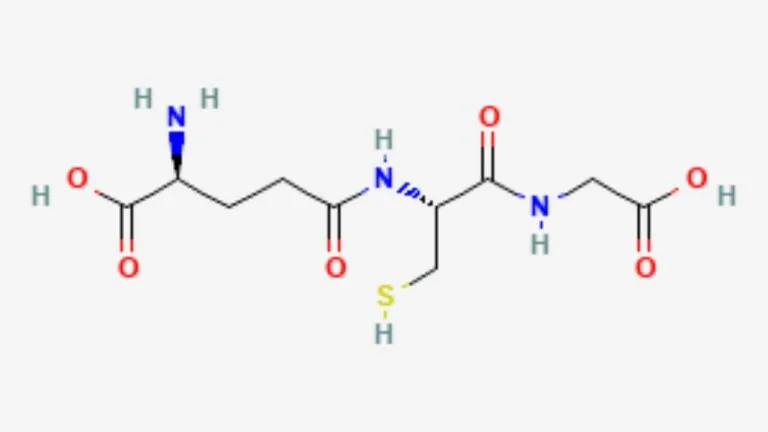
Glutathione is a natural antioxidant found in almost every cell. Your body makes it using three amino acids:
- Cysteine
- Glutamate
- Glycine
These amino acids join together to form glutathione.
Its main role is to help protect cells from oxidative stress. This happens when harmful molecules called free radicals build up in the body.
In addition, glutathione supports several normal processes. It helps maintain the balance of antioxidants inside cells. It also supports the liver as it processes certain substances.
What Is NAC?
NAC stands for N-acetylcysteine. It is a form of the amino acid cysteine.
Its important role is to provide cysteine, which the body can use to make glutathione. Therefore, NAC supports the body's natural glutathione production.
Furthermore, researchers have studied NAC for its antioxidant effects. However, these studies do not mean that every healthy person needs NAC supplements or IV treatment.
Glutathione vs NAC: What Is the Main Difference?
The biggest difference is their role.
Glutathione is the finished antioxidant molecule. NAC provides one of the ingredients needed to make it.
Think of it this way. If glutathione is the finished product, NAC supplies one of the raw materials.
|
Feature |
Glutathione |
NAC |
|
Full name |
Glutathione |
N-acetylcysteine |
|
Main role |
Natural antioxidant |
Cysteine source and glutathione precursor |
|
Made by the body |
Yes |
Not in the same way; it is a cysteine derivative |
|
Connection |
Helps protect cells |
Helps the body make glutathione |
|
Other medical uses |
Studied for several health roles |
Used for paracetamol overdose and mucus-related conditions |
|
Common wellness claims |
Antioxidant and skin support |
Antioxidant and glutathione support |
Therefore, neither ingredient is simply a replacement for the other. They work in different ways.
How Does NAC Help the Body Make Glutathione?
This is where the two ingredients connect.
Your body needs three amino acids to make glutathione: cysteine, glutamate, and glycine. Among these, cysteine can be a limiting building block.
NAC provides cysteine. Once the body processes NAC, the cysteine can take part in glutathione production.
The process works in simple steps:
- NAC enters the body.
- The body processes it and makes cysteine available.
- Cysteine combines with glutamate and glycine through natural enzyme-controlled steps.
- The body produces glutathione.
- Glutathione supports the body's antioxidant systems.
As a result, NAC can help replenish glutathione when the body needs more of it.
However, this does not mean that taking more NAC always produces more glutathione. The body's response depends on several factors, including health, nutrition, and the body's ability to use these building blocks.
Why Do Some IV Drips Use Both NAC and Glutathione?
Some formulations include both ingredients because they have different roles.
NAC supplies cysteine for the body's glutathione production. Meanwhile, glutathione is the antioxidant itself.
Therefore, the ingredients are intended to provide support through two related pathways. One supplies a building block, while the other provides glutathione directly.
More ingredients do not automatically mean better results. The dose, medical need, safety, and overall health of the person matter.
At ivital, the Her's Drip is the listed formulation that contains both NAC and glutathione. It also includes vitamin B complex and magnesium. Its listed price is ₹4,200 per session.
A clinician should assess whether this formulation is suitable for you. The ingredient combination should not be treated as a proven way to increase energy, improve skin tone, or prevent illness.
Which ivital Drips Contain Glutathione or NAC?
ivital offers nine vitamin drip formulations. Some contain glutathione, some contain NAC, and one listed formulation contains both.
Here is the complete collection.
|
ivital drip |
Main ingredients |
Price per session |
|
Vitamin C, Magnesium, Calcium, Vitamin B12 |
₹3,800 |
|
|
L-Carnitine, NAC, Calcium |
₹3,500 |
|
|
Vitamin C, Glutathione, ALA |
₹6,000 |
|
|
Vitamin C, Vitamin B Complex, NAC |
₹3,500 |
|
|
Vitamin C, Thiamine, Glutathione |
₹4,400 |
|
|
Vitamin B Complex, Magnesium, Glutathione, NAC |
₹4,200 |
|
|
Glutathione, Vitamin C, Vitamin E, Peptides |
₹7,000 |
|
|
Vitamin C, Glutathione, L-Carnitine |
₹4,000 |
|
|
Glutathione, Vitamin C, Vitamin B Complex |
₹4,500 |
Prices are listed per session and may change. Confirm the latest price before booking.
Which Drips Contain NAC?
Two ivital formulations list NAC:
Athletic Drip – ₹3,500
This drip combines L-carnitine, NAC, and calcium. It is positioned for people with active lifestyles. However, it does not replace proper training, food, or recovery.
Immunity Drip – ₹3,500
This formulation combines vitamin C, vitamin B complex, and NAC. It is positioned as a wellness top-up for busy or run-down weeks. It is not a vaccine or treatment for an infection.
Which Drips Contain Glutathione?
Six formulations list glutathione:
- Glow Drip – ₹6,000: Vitamin C, glutathione and ALA.
- Hangover Drip – ₹4,400: Vitamin C, thiamine and glutathione.
- Her's Drip – ₹4,200: Vitamin B complex, magnesium, glutathione and NAC.
- Anti Ageing – ₹7,000: Glutathione, vitamin C, vitamin E and peptides.
- Metabolizer – ₹4,000: Vitamin C, glutathione and L-carnitine.
- Detox Drip – ₹4,500: Glutathione, vitamin C and vitamin B complex.
The Her's Drip is the formulation that lists both NAC and glutathione.
Is NAC Better Than Glutathione?
Neither ingredient is automatically better. It depends on the reason for using it.
For example, NAC has established medical uses, including treatment for paracetamol overdose. It is also used as a mucus-thinning medicine in selected conditions.
Glutathione, meanwhile, has an important natural role in the body's antioxidant system. However, evidence for IV glutathione as a cosmetic skin-lightening treatment remains limited.
Therefore, choosing between them should not be based only on online claims. A healthcare professional can help assess your needs and explain the available evidence.
Are NAC and Glutathione Safe?
Both ingredients have medical uses. However, their safety depends on the form, dose, health condition, and route of administration.
NAC can cause nausea, vomiting, and other side effects. It can also interact with certain medicines, including nitro-glycerine.
IV treatment has additional risks. These may include pain, bruising, infection, allergic reactions, and complications related to the infusion.
Before choosing a drip, tell your clinician about your medical history, allergies, and medicines. Also, ask why each ingredient is included and what results are realistic.
How to Choose an IV Drip at ivital
At ivital, the process starts with a free consultation. You can discuss your wellness goals and ask about the nine available formulations.
For example, you may be curious about NAC for its connection to glutathione production. Alternatively, you may want to understand the Glow Drip or another formulation.
A clinician can review your health history and explain the ingredients. They can also decide whether an IV treatment is suitable.
ivital offers sessions at its Jayanagar centre. Home visits may also be arranged after a doctor consultation.
Most importantly, an IV drip should not replace a balanced diet, proper sleep, or medical treatment. It is also important to remember that more antioxidants do not always mean better health.
Conclusion
When comparing glutathione vs NAC, remember that they are connected but different.
Glutathione is the antioxidant your body makes naturally. NAC provides cysteine, one of the building blocks needed to produce it. Therefore, NAC supports the body's own glutathione production.
Some IV formulations include both ingredients. However, there is not enough evidence to say that combining them always provides extra benefits.
At ivital, you can explore nine vitamin drip formulations for different wellness goals. Before choosing one, discuss the ingredients, possible benefits, and risks with a clinician.
Visit ivital for a free consultation at our Jayanagar centre or request a home visit after a doctor consultation. WhatsApp or call +91 91640 37377, or contact us for more information.
Frequently asked questions
What is the main difference between glutathione and NAC?
Glutathione is a natural antioxidant made by the body. NAC is a cysteine source that helps the body produce glutathione. Therefore, they are connected but have different roles.
Does NAC increase glutathione levels?
NAC can provide cysteine, one of the building blocks needed for glutathione production. However, the effect depends on the person's health and other factors. More NAC does not always mean more glutathione.
Can I take NAC and glutathione together?
They may be included together in some formulations. A clinician should assess the need, dose, and possible risks.
Is NAC or glutathione better for skin?
Neither is a proven solution for skin brightening. Glutathione has been studied for pigmentation. NAC supports glutathione production.
References
This article is general information, not medical advice. IV therapy isn’t right for everyone. Discuss your health history, risks and alternatives with a qualified clinician before treatment.