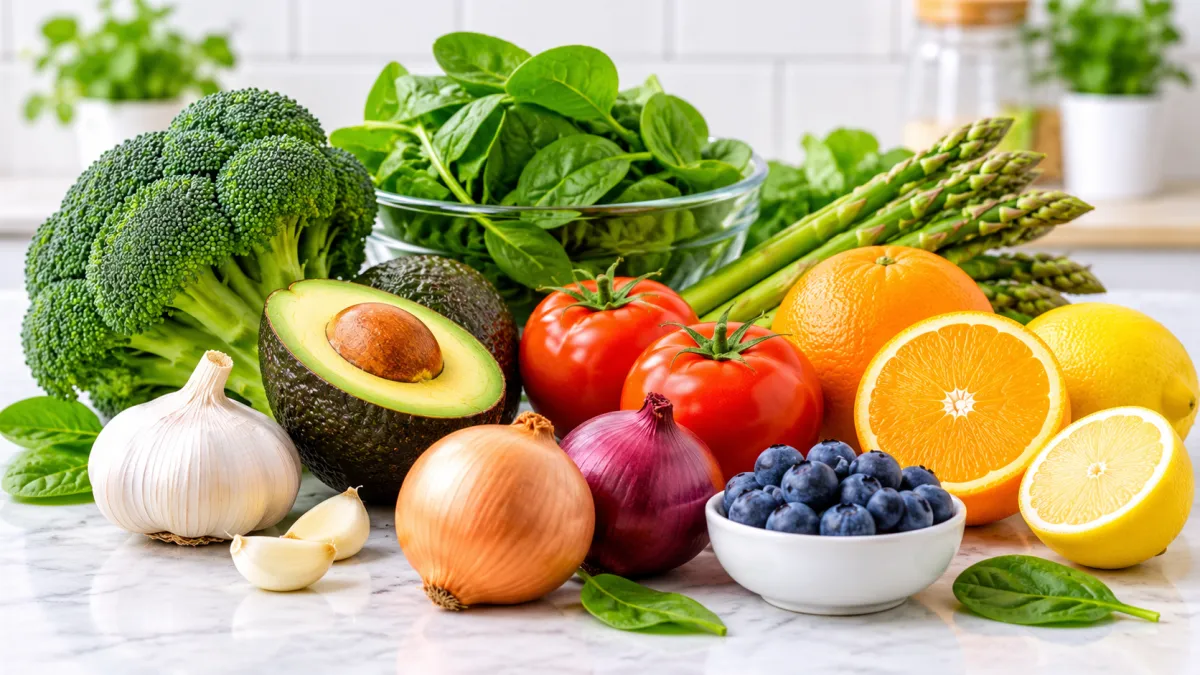
Glutathione is one of the most important antioxidants in the human body. It helps protect cells from damage caused by free radicals. It also supports normal liver function and other important processes. Foods high in glutathione are very important to our bodies.
However, many people do not know that the body can make its own glutathione. In fact, your daily diet plays an important role in this process.
Fortunately, you do not need expensive foods to support natural glutathione production. Many common Indian foods contain useful nutrients. For example, spinach, garlic, onions, lentils, eggs, and broccoli can all be part of a glutathione-supportive diet.
Moreover, your daily habits matter too. Regular exercise, good sleep, and a balanced diet can help support your body's natural antioxidant system.
So, which foods should you include in your meals? Let's explore the best foods high in glutathione, along with simple Indian food choices and habits that support its production.
What Is Glutathione and Why Does Your Body Need Foods High in Glutathione?
Glutathione is a natural antioxidant found in almost every cell. Your body produces it using three amino acids:
- Glutamate.
- Cysteine.
- Glycine.
Together, these amino acids help your body make glutathione.
Glutathione plays several important roles.
Protects cells: It helps protect cells against oxidative stress caused by free radicals.
Supports liver function: It helps the liver process certain harmful substances.
Supports immune function: It helps maintain normal immune cell activity.
Helps maintain cell health: It supports the balance between oxidation and antioxidant activity.
Supports natural body processes: It helps maintain several important cellular functions.
Therefore, maintaining healthy glutathione levels is important for overall wellness.
However, glutathione levels can change with age, diet, lifestyle, and certain health conditions.
Foods High in Glutathione: 12 Natural Food Choices
Your body can produce glutathione naturally. However, certain foods provide glutathione directly, while others supply the nutrients needed to make it.
Here are 12 useful food choices to include in your daily diet.
1. Spinach
Spinach is one of the best vegetable choices for a glutathione-supportive diet.
It contains natural glutathione and several other nutrients. Additionally, it provides vitamin C, folate, and other antioxidants.
You can include spinach in your diet through:
- Palak dal.
- Palak paneer.
- Spinach soup.
- Spinach dosa.
- Green smoothies.
Moreover, lightly cooking spinach can make it easier to eat regularly.
2. Broccoli
Broccoli contains plant compounds that support the body's natural antioxidant systems.
These vegetables contain compounds that may help regulate antioxidant defence pathways.
You can enjoy broccoli in several ways.
For example, add it to vegetable stir-fries, soups or salads. You can also lightly steam it as a side dish.
3. Garlic
Garlic is a common ingredient in Indian cooking. However, it also contains useful sulphur compounds.
These compounds are linked to the body's antioxidant defence systems.
Furthermore, garlic is easy to add to everyday meals.
4. Onions
Onions contain natural plant compounds and sulphur-containing substances.
They also provide antioxidants that support overall health.
Fortunately, onions are already part of many Indian meals.
You can add them to salads, sambar, curries and vegetable dishes. However, use them as part of a balanced diet rather than treating them as a medicine.
5. Avocado
Avocado is a natural source of glutathione. It also contains healthy fats, fibre and other nutrients.
Although avocado is not a traditional Indian food, it is becoming easier to find in Indian supermarkets.
You can add it to sandwiches, salads and smoothies.
Moreover, it makes a useful addition to a balanced breakfast.
6. Asparagus
Asparagus is another vegetable that naturally contains glutathione.
It also provides folate, fibre and other nutrients.
Although it is less common in traditional Indian cooking, you can easily prepare it at home.
For example, lightly steam or roast asparagus. You can also add it to vegetable stir-fries.
7. Green Beans
Green beans contain natural glutathione and provide fibre and vitamins.
They are also easy to include in Indian meals.
Therefore, you can enjoy their nutritional benefits without changing your usual food habits.
8. Lentils and Pulses
Lentils are an important part of the Indian diet.
Moong dal, toor dal, masoor dal, and other pulses provide protein and amino acids. These amino acids help your body produce glutathione.
In particular, cysteine and glycine are important building blocks.
Lentils are also affordable and easy to prepare.
Include dal, sprouts, chana, and rajma in your weekly meals.
9. Eggs
Eggs provide high-quality protein and contain cysteine.
Since cysteine is a building block of glutathione, eating enough protein is important.
You can include eggs in several ways:
- Boiled eggs.
- Vegetable omelettes.
- Scrambled Egg.
- Egg curry.
However, people following a vegetarian diet can obtain protein from pulses, dairy, soy, and other plant foods.
10. Nuts and Seeds
Nuts and seeds provide healthy fats, protein, and important minerals.
For example, almonds, walnuts, sunflower seeds, and pumpkin seeds can support a balanced diet.
They also provide nutrients involved in normal antioxidant functions.
You can add them to breakfast, smoothies, salads, or snacks.
Nevertheless, portion size matters because nuts and seeds are calorie-dense.
11. Papaya
Papaya is a useful fruit choice for a healthy diet.
It contains natural glutathione, vitamin C, and other antioxidants.
Additionally, vitamin C helps support the body's antioxidant network.
Enjoy fresh papaya as a breakfast fruit or evening snack.
12. Tomatoes
Tomatoes contain several beneficial plant compounds, including lycopene.
They also contain small amounts of natural glutathione.
Moreover, tomatoes are easy to include in everyday Indian meals.
How Do These Foods Help Your Body Make Glutathione?
Not all foods support glutathione in the same way.
Some foods contain glutathione directly. Others provide amino acids and nutrients that help your body produce it.
Understanding this difference is important.
Foods That Contain Natural Glutathione
Certain fresh foods contain glutathione.
Examples include:
- Spinach.
- Asparagus.
- Avocado.
- Green beans.
- Cucumber.
- Papaya.
- Mushrooms.
However, the amount can vary depending on the food variety, freshness, storage, and preparation method.
Also, dietary glutathione does not automatically enter your cells unchanged. Digestion can break it down.
Therefore, eating these foods is not the same as directly increasing glutathione levels in every part of the body.
Foods That Provide Glutathione Building Blocks
Your body needs three amino acids to produce glutathione.
These are glutamate, cysteine, and glycine.
Fortunately, many everyday foods provide them.
Cysteine sources: Eggs, dairy, chicken, fish, lentils, and other protein-rich foods.
Glycine sources: Meat, fish, dairy, and protein-rich foods. Legumes and other plant foods also contribute to your overall amino acid intake.
Glutamate sources: Pulses, beans, soy products, vegetables, and other protein-containing foods.
Consequently, eating enough protein from different food sources can support normal glutathione production.
Nutrients That Support Antioxidant Activity
Some vitamins and minerals also support antioxidant functions.
For example:
- Vitamin C: Found in amla, guava, oranges, and lemons.
- Vitamin E: Found in almonds, sunflower seeds, and vegetable oils.
- Selenium: Found in eggs, fish, meat, and some nuts.
- Zinc: Found in dairy, pulses, seeds, and whole grains.
Furthermore, a varied diet helps you obtain these nutrients together.
Indian Foods and Daily Habits That Support Glutathione Naturally
You do not need to follow an expensive diet to support your body's antioxidant system.
Instead, make small changes to your regular meals.
Start Your Morning With a Nutritious Breakfast
A balanced breakfast provides energy and important nutrients.
For example, choose vegetable poha, moong dal chilla, idli with sambar, or eggs with whole-grain toast.
Additionally, include a fruit such as guava, papaya, or orange.
Include Green Vegetables in Lunch
Green vegetables are useful sources of vitamins, minerals, and plant compounds.
Moreover, combine them with rice or roti and a protein source.
Add Protein to Your Daily Meals
Protein provides amino acids needed for glutathione production.
Therefore, include dal, rajma, chana, paneer, curd, eggs, fish, or chicken according to your dietary preference.
Choose Fresh Fruits and Vegetables
Fresh produce provides vitamins and plant antioxidants.
For instance, include amla, guava, papaya, tomatoes, and leafy vegetables throughout the week.
However, no single fruit or vegetable can provide every nutrient your body needs.
Drink Enough Water
Water supports normal body functions and helps maintain hydration.
Although water does not directly increase glutathione production, good hydration is important for overall health.
Exercise Regularly
Regular physical activity supports metabolic health and the body's antioxidant defence systems.
For example, walking, cycling, swimming, and strength training are useful options.
However, avoid sudden excessive exercise. Instead, increase activity gradually.
Get Enough Sleep
Sleep gives your body time to recover.
Poor sleep can affect several normal body processes. Therefore, aim for a regular sleep schedule and sufficient rest.
Foods and Habits That May Reduce Antioxidant Health
While adding nutritious foods is important, your daily habits matter too.
Some habits can increase oxidative stress or affect overall health.
Consider limiting the following:
Excessive alcohol: Heavy alcohol consumption can increase oxidative stress and affect liver health.
Smoking: Tobacco smoke contains substances that increase oxidative stress.
Highly processed foods: Eating too many foods high in added sugar, salt, and unhealthy fats can affect long-term health.
Poor sleep: Regular sleep deprivation can affect the body's normal recovery processes.
Physical inactivity: A sedentary lifestyle can affect metabolic and cardiovascular health.
Therefore, focus on healthy daily habits instead of relying on one special food.
Does Cooking Reduce Glutathione in Food?
Yes. Cooking and food processing can affect the glutathione content of certain foods.
Heat, storage, and preparation methods may reduce some naturally occurring glutathione.
However, this does not mean you should eat every vegetable raw.
Some vegetables become easier to digest after cooking. Additionally, cooking can improve the availability of certain nutrients.
Here are some simple preparation tips:
- Wash vegetables before cutting them.
- Avoid overcooking leafy vegetables.
- Steam vegetables when suitable.
- Use fresh ingredients whenever possible.
- Avoid storing cut vegetables for long periods.
- Include both raw and cooked vegetables in your diet.
Most importantly, choose preparation methods that help you maintain a varied and balanced diet.
Can Food Alone Increase Glutathione Levels?
Food plays an important role in supporting natural glutathione production. However, eating glutathione-rich foods does not guarantee a specific increase in blood or cellular glutathione levels.
Your body's glutathione balance depends on several factors.
These include:
- Age.
- Overall nutrition.
- Health conditions.
- Liver and kidney function.
- Lifestyle habits.
- Nutrient availability.
Furthermore, some health conditions may affect glutathione metabolism.
Therefore, if you have a medical concern, speak with a qualified healthcare professional instead of starting supplements on your own.
Can You Support Glutathione Levels Through IV Therapy?
A balanced diet is the foundation of good nutrition. However, some people also explore glutathione IV therapy as part of their wellness routine.
IV therapy delivers ingredients directly into the bloodstream.
At ivital, we start with a consultation.
The clinician discusses your health history, medicines, allergies, and wellness goals before considering any treatment.
If you are exploring glutathione-containing formulations, ask about the ingredients, doses, available evidence, possible side effects, and treatment suitability.
Conclusion
Glutathione is an important antioxidant that your body produces naturally. Fortunately, many everyday Indian foods can support this process.
Spinach, broccoli, garlic, onions, lentils, eggs, nuts, and papaya are useful additions to a balanced diet. In addition, foods rich in protein, vitamin C, vitamin E, and selenium provide nutrients that support normal antioxidant functions.
However, no single food can guarantee higher glutathione levels. Therefore, focus on eating a variety of fresh foods, exercising regularly, sleeping well, and maintaining healthy habits.
Small changes in your daily routine can make a meaningful difference to your overall nutrition and wellness.
Visit ivital for a free consultation at our Jayanagar centre or request a home visit. WhatsApp or call +91 91640 37377, or contact us for more information.
Frequently asked questions
Which Indian foods are high in glutathione?
Spinach, avocado, asparagus, and some other vegetables contain naturally occurring glutathione. However, garlic, onions, cruciferous vegetables, fruits, and protein-rich foods can also contribute nutrients that support the body's own production.
Does vitamin C help support glutathione levels?
Vitamin C supports the body's antioxidant network and interacts with glutathione. You can obtain it from amla, guava, oranges, lemons, and other fruits.
Can I increase glutathione naturally?
Yes. A balanced diet containing protein, vegetables, fruits and healthy fats can support natural glutathione production. Regular exercise and good sleep also support overall antioxidant health.
How long does it take to increase glutathione naturally?
There is no fixed timeline. The body's glutathione production depends on several factors, including nutritional status, age, health, and lifestyle. Consistent healthy habits are more useful than expecting immediate results from individual foods.
References
This article is general information, not medical advice. IV therapy isn’t right for everyone. Discuss your health history, risks and alternatives with a qualified clinician before treatment.