If you are starting a glutathione course, you may have questions about your daily habits. One common question is, can you drink alcohol while taking glutathione?
The short answer is that avoiding alcohol during treatment is the safer choice. Although there is limited research on direct interactions between alcohol and glutathione supplements or IV therapy, alcohol can affect the body's natural antioxidant system.
Moreover, your liver plays an important role in processing alcohol. Glutathione also helps protect liver cells from oxidative damage. Therefore, drinking alcohol during a glutathione course may work against your wellness goals.
However, the effects can vary from person to person. Your alcohol intake, liver health, medicines, and type of glutathione treatment all matter.
In this blog, we explain how alcohol affects glutathione. We also discuss possible risks and simple ways to care for your body during treatment.
What Is Glutathione and Why Does Your Body Need It?
Glutathione is a natural antioxidant produced by the body. It is made from three amino acids: cysteine, glutamic acid, and glycine.
It is found in almost every cell. However, it is especially important for liver function and antioxidant defence.
Glutathione helps the body in several ways:
- Protects cells from oxidative stress.
- Supports normal liver function.
- Helps the body process certain harmful substances.
- Supports the recycling of other antioxidants.
- Helps maintain normal cell function.
Furthermore, the body uses glutathione to manage free radicals. These are unstable molecules that can damage cells when they build up.
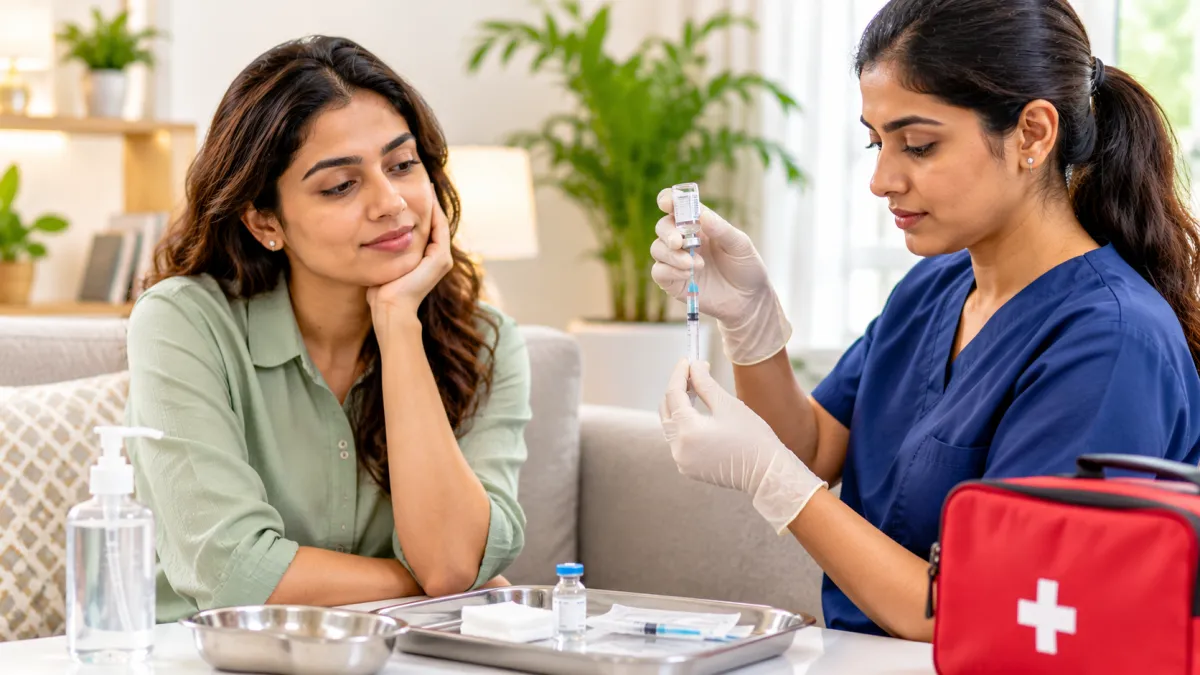
Glutathione is available in oral supplements and injectable forms. However, the benefits and safety of different forms can vary. Therefore, treatment should be based on medical advice rather than general wellness claims.
Can You Drink Alcohol While Taking Glutathione?
It is better to avoid alcohol while taking glutathione, especially if you are receiving IV treatment or have been advised to follow a specific treatment plan.
Why? Because alcohol can increase oxidative stress and affect the body's glutathione levels.
When you drink alcohol, your liver breaks it down. During this process, alcohol produces acetaldehyde, a harmful substance. The body must then process and remove it.
Glutathione helps the liver manage some of the harmful effects of alcohol metabolism. However, frequent or heavy drinking can increase the demand on the body's antioxidant defences.
As a result, alcohol may reduce the benefit of maintaining healthy glutathione levels.
How Does Alcohol Affect Glutathione Levels?
Alcohol can affect glutathione in several ways. The main concern is its effect on the liver and the body's antioxidant balance.
1. Alcohol Can Lower Natural Glutathione Levels
First, alcohol metabolism uses the body's antioxidant defence system.
When the liver processes alcohol, it produces substances that can increase oxidative stress. Consequently, the body may use more glutathione to protect cells.
Research suggests that both short-term and long-term alcohol intake can affect liver glutathione levels. However, the effect depends on the amount of alcohol and drinking habits.
2. Alcohol Increases Oxidative Stress
Oxidative stress happens when free radicals build up faster than the body can control them.
Alcohol metabolism can produce reactive oxygen species (ROS). These molecules may damage cells when antioxidant protection is not enough.
Glutathione helps control this damage. However, frequent alcohol use can place extra pressure on this defence system.
Therefore, reducing alcohol intake may help support normal antioxidant balance.
3. Alcohol Puts Extra Pressure on the Liver
Your liver processes most of the alcohol you drink. During this process, it converts alcohol into acetaldehyde.
Acetaldehyde is a toxic substance. The liver then converts it into acetate, which the body can process further.
However, frequent or heavy drinking can contribute to inflammation and liver cell damage. Moreover, long-term alcohol use can affect normal liver function.
Since glutathione also supports liver antioxidant defence, protecting your liver is important during a wellness programme.
What Happens If You Drink Alcohol During a Glutathione Course?
The effects depend on your drinking habits, health, and treatment type. Nevertheless, drinking during a glutathione course may work against some of your wellness goals.
Here are a few things to consider.
1. You May Increase Oxidative Stress
Firstly, alcohol increases the workload on your antioxidant system. As a result, your body may need more antioxidant support.
Therefore, frequent drinking may work against your goal of supporting healthy antioxidant levels.
2. You May Experience Dehydration
Alcohol can increase urine production. Consequently, you may lose more fluids, especially after drinking heavily.
You may then experience:
- Dry mouth.
- Headaches.
- Tiredness.
- Dizziness.
- Increased thirst.
Moreover, dehydration can make you feel worse after a wellness treatment.
3. You May Experience Poor Sleep
Although alcohol can make you feel sleepy, it can affect sleep quality.
For example, it may disturb your sleep cycle and cause you to wake up during the night. As a result, you may feel tired the next morning.
If you are taking vitamin drips to support your wellness routine, good sleep is also important.
4. You May Experience More Digestive Discomfort
Alcohol can irritate the stomach and digestive system. It may cause nausea, acidity, or stomach discomfort.
Furthermore, some people experience nausea or other side effects with supplements or IV treatments.
Therefore, combining alcohol with a treatment may make it harder to understand what is causing your symptoms.
How Long Should You Avoid Alcohol During a Glutathione Course?
There is no well-established medical guideline that specifies an exact number of alcohol-free hours or days for everyone taking glutathione.
However, avoiding alcohol throughout your treatment course is a cautious choice, particularly if you receive injectable glutathione.
Consider these general suggestions:
|
Situation |
What to do |
|
Before treatment |
Avoid arriving for treatment after drinking |
|
During the course |
Preferably avoid alcohol |
|
After an IV session |
Follow your provider's advice and avoid alcohol while recovering |
|
After completing treatment |
Discuss alcohol use with your healthcare professional |
Importantly, do not assume that waiting 24 or 48 hours makes drinking safe for everyone. Your health, medicines, and treatment plan matter.
What Should You Do If You Accidentally Drink Alcohol During Treatment?
Do not panic if you have consumed alcohol during a glutathione course.
However, take a few sensible steps.
- Stop drinking: Avoid having more alcohol until you have spoken to your healthcare provider.
- Drink water: Maintain normal fluid intake unless your doctor has restricted fluids.
- Eat balanced meals: Include vegetables, fruits, protein, and whole grains.
- Get enough rest: Allow your body time to recover.
- Inform your healthcare provider: Tell them how much you drank and when you had your last treatment.
- Do not take extra glutathione: Never increase your dose to compensate for alcohol consumption.
Furthermore, seek medical attention if you experience unusual symptoms.
If you develop severe vomiting, confusion, difficulty breathing, fainting, or severe abdominal pain, seek urgent medical care.
How Can You Support Your Body During a Glutathione Course?
Avoiding alcohol is one useful step. However, your everyday habits also play an important role.
Here are some simple ways to support your health during treatment.
1. Eat Foods Rich in Antioxidants
First, include a variety of fresh foods in your daily meals.
Some good choices include:
- Fruits: Oranges, papaya, berries, and guava.
- Vegetables: Spinach, broccoli, carrots, and tomatoes.
- Protein: Eggs, lentils, fish, and beans.
- Nuts: Almonds and walnuts.
Additionally, foods containing sulphur compounds, such as garlic, onions, and broccoli, support the body's natural glutathione production.
2. Drink Enough Water
Water helps maintain normal body functions. Therefore, drink enough water throughout the day.
However, avoid forcing yourself to drink excessive amounts. Your fluid needs depend on your health and activity levels.
3. Get Enough Sleep
Sleep allows your body to rest and recover. Aim for around seven to nine hours of sleep each night.
Also, try to maintain a regular bedtime. Avoid late-night drinking and heavy meals before sleeping.
4. Exercise Regularly
Regular physical activity supports overall health.
For example, you can try:
- Walking for 30 minutes.
- Cycling.
- Yoga.
- Light strength training.
However, start slowly if you are new to exercise. Also, avoid intense workouts when you feel unwell or dehydrated.
5. Follow Medical Advice
Finally, follow your healthcare provider's treatment instructions.
Tell them about your alcohol intake, medicines, and supplements. Moreover, do not combine different IV treatments without professional advice.
Why Choose ivital for Wellness and Vitamin Drips?
At ivital, wellness is about understanding your needs and choosing suitable care.
Whether you feel tired, run down, or hungover, or want to explore skin-focused wellness treatments, professional guidance can help you make informed choices.
ivital offers vitamin drips and wellness services in Jayanagar and through home visits.
You can explore available treatments based on your wellness goals. However, remember that IV therapy is not a substitute for a balanced diet, good sleep, or medical treatment.
Before starting glutathione or another IV treatment, discuss your health history and expectations with a qualified healthcare professional.
Conclusion
So, can you drink alcohol while taking glutathione? Although there is no established direct interaction between alcohol and glutathione, drinking alcohol can affect your body's natural antioxidant system.
Moreover, frequent drinking can increase oxidative stress and place extra pressure on your liver. Therefore, avoiding alcohol during a glutathione course is a sensible precaution.
Additionally, eat balanced meals, drink enough water, and get proper sleep. Most importantly, follow professional medical advice throughout your treatment.
A healthy routine can support your overall wellness. However, no glutathione treatment can cancel out the effects of excessive alcohol consumption.
For a free consultation at the ivital Jayanagar centre or to arrange a home visit, WhatsApp or call us, or contact us for more information.
Frequently asked questions
Can you drink alcohol while taking glutathione?
It is better to avoid alcohol during a glutathione course. Alcohol can increase oxidative stress and affect natural glutathione levels.
Does alcohol reduce glutathione levels?
Yes, research suggests that alcohol consumption can reduce glutathione levels in the liver. This is particularly relevant to frequent or heavy drinking.
Can I drink alcohol after a glutathione IV drip?
It is better to avoid alcohol after an IV session. Follow your healthcare provider's advice about when it is appropriate to resume drinking.
Does glutathione help protect the liver from alcohol?
Glutathione supports the liver's natural antioxidant defence.
References
This article is general information, not medical advice. IV therapy isn’t right for everyone. Discuss your health history, risks and alternatives with a qualified clinician before treatment.