Introduction
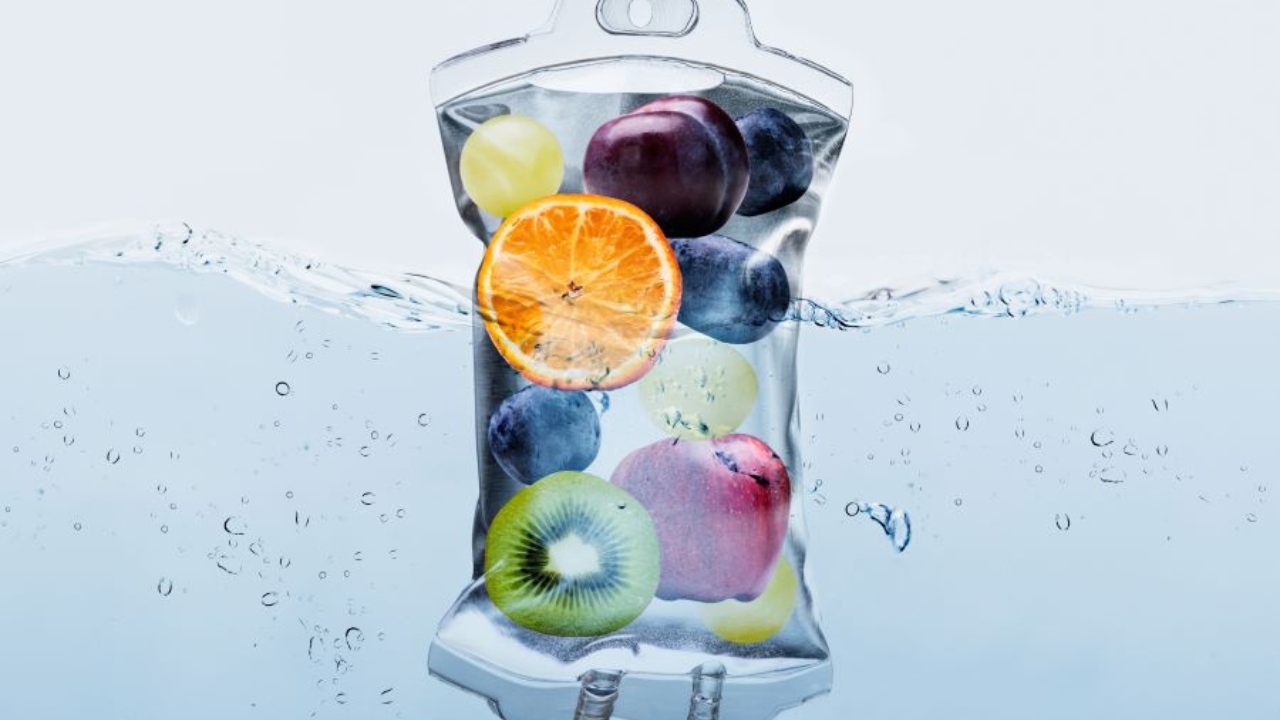
Intravenous (IV) therapy, also known as infusion therapy, involves delivering fluids, medications, and nutrients directly into the bloodstream through a vein. This type of therapy is commonly used in hospitals and clinics, but it is also gaining popularity among wellness enthusiasts for its potential health benefits.
In this blog post, we will provide a comprehensive guide to IV therapy, including its basics, benefits, and potential risks.
The Basics of IV Therapy
IV therapy involves using a sterile catheter to access a patient’s vein and deliver fluids, medications, or nutrients. The catheter is usually inserted into the arm, but it can also be placed in the leg, neck, or chest. The fluids are delivered via a bag that hangs from a stand, and the flow is controlled using a pump.
IV therapy can be used to administer a variety of substances, including:
- Saline solution: This is a mixture of salt and water that is used to replace fluids and electrolytes in the body.
- Medications: IV therapy can be used to deliver antibiotics, painkillers, and other medications that need to be absorbed quickly or that can irritate the digestive system.
- Nutrients: IV therapy can also be used to deliver vitamins, minerals, and other nutrients directly into the bloodstream.
IV therapy is commonly used in hospitals and clinics to treat a variety of conditions, including dehydration, infections, and cancer. It is also used to administer anesthesia during surgeries.
Benefits of IV Therapy
In recent years, IV therapy has gained popularity among wellness enthusiasts as a way to boost health and wellness. Some of the potential benefits of IV therapy include:
- Improved hydration: IV therapy can be used to quickly and effectively rehydrate the body. This can be especially beneficial for athletes, people with chronic illnesses, and those who are recovering from a hangover.
- Increased energy: IV therapy can deliver vitamins and minerals directly into the bloodstream, which can help increase energy levels and improve overall health.
- Improved immune function: IV therapy can deliver high doses of vitamin C and other nutrients that are known to boost the immune system.
- Faster recovery from illness or injury: IV therapy can be used to deliver medications and nutrients that can help speed up the healing process.
Potential Risks of IV Therapy
While IV therapy is generally considered safe, there are some potential risks to be aware of. These include:
- Infection: There is a small risk of infection at the site of the IV catheter. It is important to use sterile techniques when inserting the catheter and to monitor the site for signs of infection.
- Vein damage: Repeated IV therapy can cause damage to the veins, making it more difficult to insert a catheter in the future.
- Allergic reactions: Some people may be allergic to the substances being delivered through the IV, which can cause an allergic reaction.
- Fluid overload: In rare cases, too much fluid can be delivered through the IV, which can lead to fluid overload and potentially dangerous electrolyte imbalances.
It is important to discuss the potential risks and benefits of IV therapy with a healthcare provider before undergoing the treatment.
Conclusion
IV therapy is a powerful tool for delivering fluids, medications, and nutrients directly into the bloodstream. It is commonly used in hospitals and clinics to treat a variety of conditions, and it is also gaining popularity among wellness enthusiasts for its potential health benefits. While IV therapy is generally considered safe, it is important to discuss the potential risks and benefits with a healthcare provider before undergoing the treatment.