Introduction
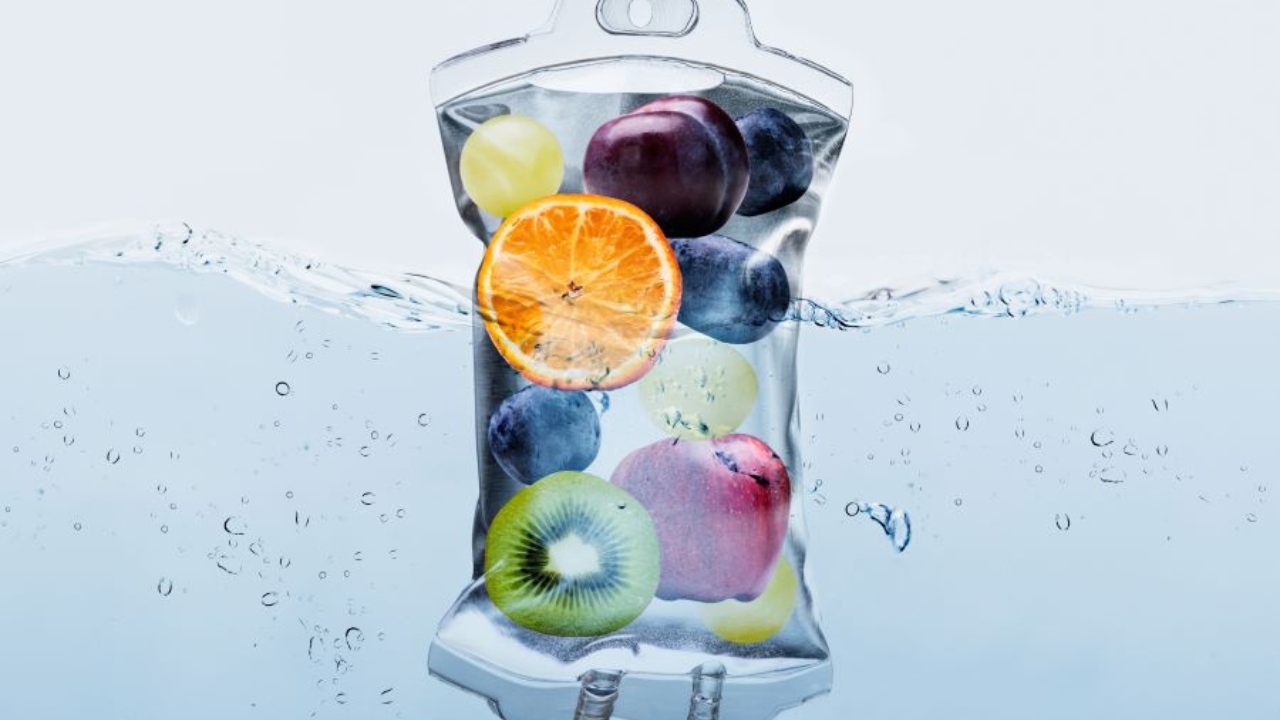
IV therapy is the most advanced and effective way to deliver nutrients, medications, and antioxidants directly into the bloodstream. IV therapy provides a fast-acting and powerful way to treat chronic conditions that have been resistant to traditional methods.
What is IV Therapy?
IV therapy is a form of treatment that uses a liquid solution to deliver medication or nutrients directly into your bloodstream. This can be done at home, but it’s most commonly used in hospitals and medical centers.
IV therapy is used to treat dehydration, malnutrition, and electrolyte imbalances (a condition where there are abnormal levels of minerals in the blood), as well as other conditions.
How does IV therapy work?
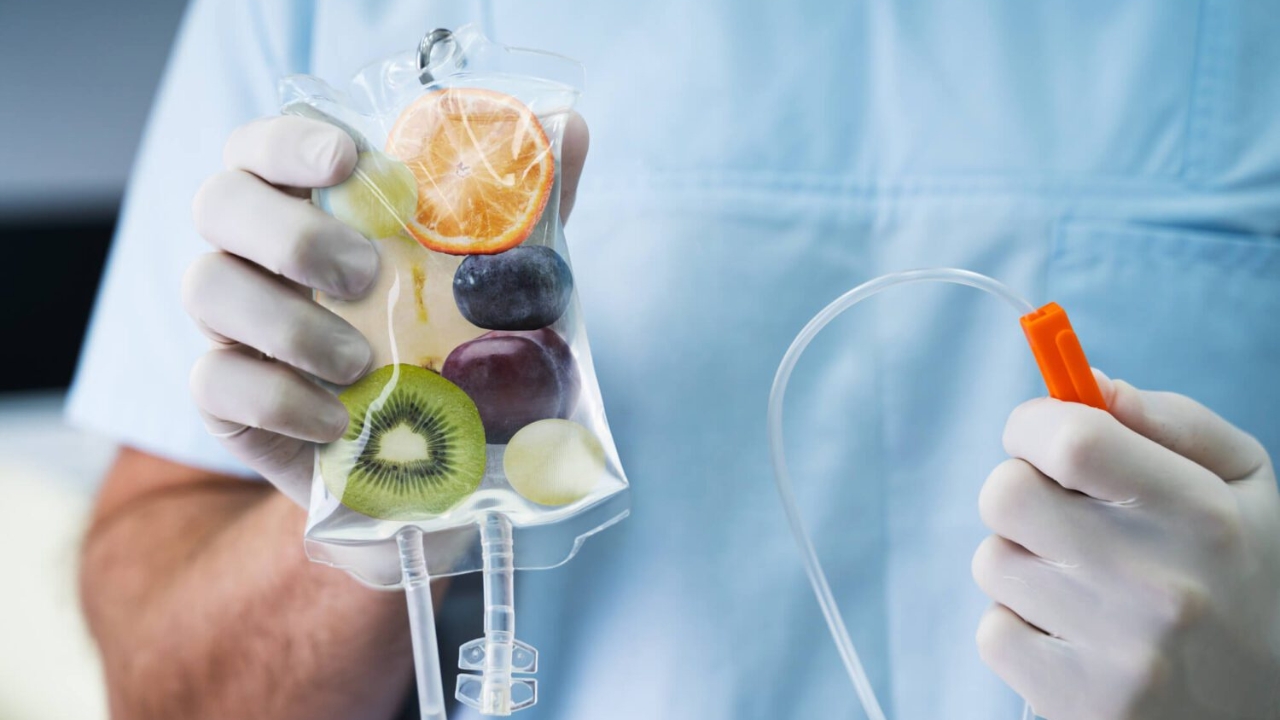
IV therapy is a form of treatment that is administered through a vein in the arm. The IV line is inserted into a vein in the arm and the solution is delivered through the IV line.
The solution can be infused, or it can be injected into your body. The solution is usually sterile (meaning it doesn’t contain bacteria) and may contain nutrients like vitamins, minerals, and amino acids; medicines such as antibiotics or anti-inflammatory drugs; blood products like packed red blood cells; or fluids used to treat dehydration caused by vomiting or diarrhea.
What are the advantages of IV therapy?
IV therapy is a safe and effective treatment option when you have a condition that requires IV fluids. It can also be used to treat a wide range of conditions, including:
- Chronic fatigue syndrome
- Fibromyalgia
- Multiple sclerosis (MS)
IV therapy is often used to speed up the healing process in patients who are recovering from surgery or other procedures. If you don’t want to wait weeks or months for your body to heal naturally, this method might be right for you!
Is IV therapy safe?
IV therapy is safe if it’s administered by a trained professional. However, you should be aware of some possible risks associated with IV treatments:
- Allergic reaction (anaphylaxis). This is a severe reaction that can be life-threatening and requires immediate medical attention. It can happen when you’re allergic to something in the medication or medications used for IV therapy.
- Infection at the site where your intravenous line was inserted
- Blood clots in your veins (deep vein thrombosis). These are usually caused by immobility or sitting still for long periods of time after receiving treatment with certain drugs such as chemotherapy agents
IV therapy can help cure certain conditions.
IV therapy can help cure certain conditions.
- For example, IV therapy can be used for pain relief. It can also be used to treat chronic illnesses like Crohn’s disease and fibromyalgia as well as other conditions like arthritis, lupus, and migraines.
- Another use for IV therapy is weight loss because it helps your body break down fat cells more quickly than it would on its own by increasing metabolism while reducing hunger cravings so you won’t feel like eating all day long!
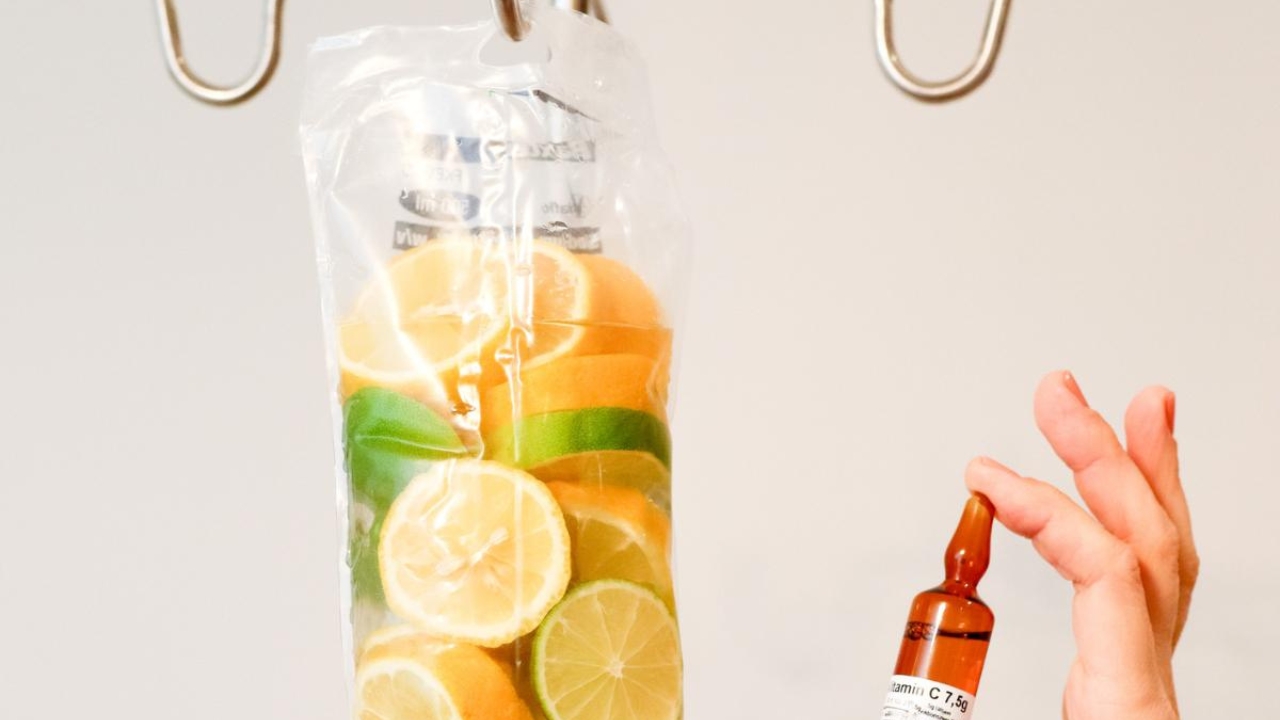
- If you want beautiful skin then there are many benefits of getting an intravenous vitamin C treatment done at least once every three months (I recommend doing this during the winter months when we tend to get sick more often). This will give your body a boost of antioxidants which will help protect against premature aging while also improving hydration levels within cells which keeps them looking fresh & glowing from within 🙂
Conclusion
The importance of IV therapy is obvious. It can help you to feel better faster, it’s great for recovery after surgery or illness, and it provides a number of other benefits as well. The next time you feel like your immune system needs some extra support or your body needs some extra energy for healing purposes, consider trying out intravenous vitamin C therapy!